
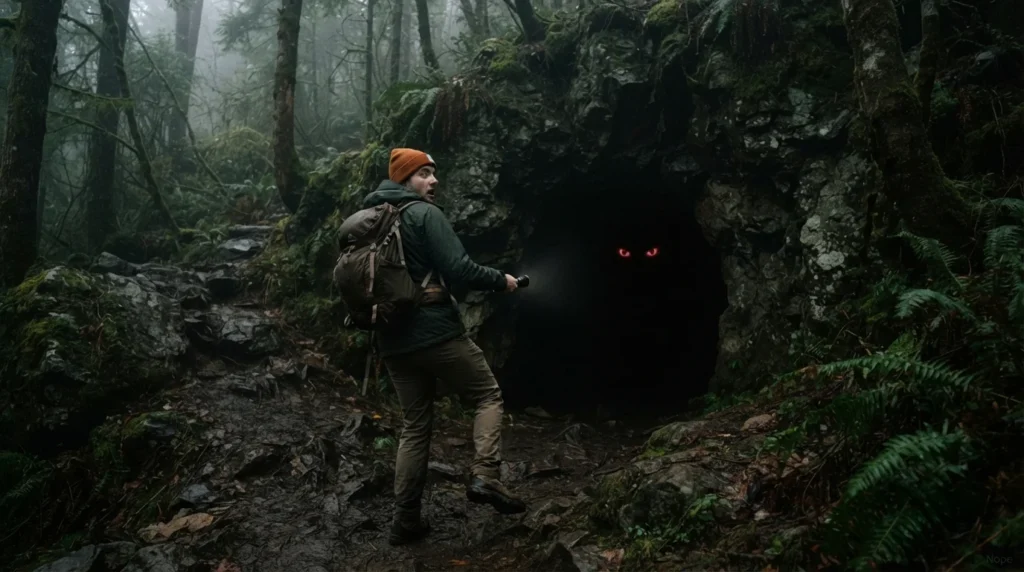
A metaphor for nope helps express refusal, disagreement, rejection, or a strong negative response in a more creative way. Instead of simply saying “no,” metaphors turn a basic answer into a clear image that shows emotion, strength, hesitation, or finality.
People search for metaphors for nope because they want better ways to describe rejection in writing, conversations, stories, poems, and social media. A simple “no” can have many meanings. It can be a polite refusal, a firm boundary, a warning, or a complete rejection. Metaphors help show the feeling behind the word.
For example, saying “Nope is a brick wall” creates an image of something that cannot easily be crossed. Saying “Nope is a red light” shows a signal to stop. These comparisons make communication more expressive and memorable.
This guide explores creative nope metaphors, their meanings, examples, and ways to use them naturally.
Definition & Meaning
A metaphor for nope compares refusal or rejection to another object, action, or situation without using “like” or “as.”
Examples:
- Nope is a locked door.
- Nope is a brick wall.
- Nope is a red light.
These metaphors represent stopping, blocking, refusing, or creating boundaries.
Why We Use Metaphors for Nope
Metaphors for “nope” are useful because they:
- Make rejection more expressive.
- Show emotions behind a refusal.
- Add creativity to writing.
- Help describe boundaries clearly.
- Make dialogue more interesting.
From real-life experience, people do not always say “no” in the same way. Sometimes a person refuses gently, sometimes firmly, and sometimes with humor. Metaphors help show those differences.
63+ Metaphors for Nope
| Metaphor | Meaning | Example Sentence | Other Ways to Say |
|---|---|---|---|
| A Brick Wall | A firm refusal | My answer was a brick wall against that idea. | Strong rejection, barrier |
| A Locked Door | Something unavailable | Her decision was a locked door to the opportunity. | Closed option, refusal |
| A Red Light | A signal to stop | His response was a red light for the plan. | Stop sign, warning |
| A Closed Gate | Blocking access | The rejection was a closed gate. | Barrier, restriction |
| A Dead-End Road | No possibility forward | That proposal was a dead-end road. | Impossible path, blocked way |
| A Slammed Door | Sudden rejection | His answer was a slammed door. | Final refusal, rejection |
| An Iron Wall | Strong resistance | Their disagreement became an iron wall. | Strong barrier, defense |
| A Frozen River | No movement forward | The conversation became a frozen river. | Stuck situation, standstill |
| A Stop Sign | Clear warning | Her reply was a stop sign. | Clear refusal, boundary |
| A Locked Chest | Hidden or unavailable answer | His thoughts were a locked chest. | Closed off, private |
| A Shield | Protection through refusal | Saying no was a shield against trouble. | Defense, protection |
| A Closed Book | Refusing discussion | His decision was a closed book. | Silence, refusal |
| A Stone Fortress | Strong defense | Her opinion was a stone fortress. | Unbreakable position, barrier |
| A Wall of Ice | Cold rejection | His response was a wall of ice. | Cold refusal, distance |
| A Final Curtain | End of discussion | The decision was the final curtain. | Ending, conclusion |
| A Broken Bridge | Connection refused | Their agreement became a broken bridge. | Separation, disconnect |
| A Black Flag | Warning or rejection | The idea raised a black flag. | Warning sign, danger |
| A Closed Window | Opportunity denied | The offer became a closed window. | Missed chance, rejection |
| A Heavy Anchor | Preventing progress | The refusal was a heavy anchor. | Restriction, limitation |
| A Concrete Barrier | Impossible to pass | The rule was a concrete barrier. | Obstacle, blockage |
| A Silent Wall | No response or acceptance | His silence was a silent wall. | Distance, rejection |
| A Cold Breeze | Gentle but negative response | Her reply was a cold breeze. | Mild refusal, hesitation |
| A Sharp Turn | Sudden change of direction | His answer was a sharp turn away. | Change, rejection |
| A Full Stop | Complete ending | The decision was a full stop. | Final answer, ending |
| A Closed Highway | No route available | The plan became a closed highway. | Blocked option, no path |
| A Steel Door | Strong refusal | His answer was a steel door. | Firm boundary, resistance |
| A Warning Bell | Signal of rejection | The response was a warning bell. | Alert, caution |
| A Mountain Wall | Huge obstacle | The rejection felt like a mountain wall. | Major barrier, challenge |
| A Locked Bridge | Connection prevented | Their refusal created a locked bridge. | Separation, blocked link |
Types of Nope Metaphors
Metaphors for Strong Refusal
These show a clear and final “no”:
- A brick wall
- An iron gate
- A steel door
- A full stop
Example:
Her decision was a steel door that could not be opened.
Metaphors for Gentle Refusal
These show a softer negative answer:
- A closed window
- A cold breeze
- A quiet barrier
Example:
His response was a cold breeze, polite but clear.
Metaphors for Blocking Progress
These describe situations where something cannot continue:
- A dead-end road
- A frozen river
- A closed highway
Example:
The old rule became a dead-end road for innovation.
Real-Life Conversations
Friends
Emma: Are you going to join that plan?
Liam: Nope. My answer is a brick wall. I’m not changing my mind.
Emma: Fair enough.
Workplace
Manager: Can we approve this idea?
Employee: I think the budget is a red light right now.
Manager: Good point. We need another option.
Students
Student 1: Did the teacher accept the late assignment?
Student 2: No. The deadline was a locked door.
Everyday Usage
Metaphors for nope can be used in:
- Creative writing
- Character dialogue
- Essays
- Social media captions
- Reviews
- Everyday conversations
Examples:
Instead of:
I completely reject that idea.
Write:
My answer is a brick wall against that suggestion.
Instead of:
There is no chance of continuing.
Write:
The opportunity became a dead-end road.
Instead of:
I need a boundary.
Write:
My decision is a locked door.
Common Mistakes
| Mistake | Correction |
|---|---|
| Making every “no” sound aggressive | Choose softer metaphors when needed. |
| Using confusing comparisons | Use clear images people understand. |
| Forgetting the situation | Match the metaphor to the emotion. |
| Using metaphors that sound unnatural | Keep the expression simple. |
Multiple Choice Questions
Q1: “Nope is a brick wall” means:
A. A strong refusal
B. An invitation
C. A celebration
D. A suggestion
Answer: A
Q2: “Nope is a red light” represents:
A. Permission
B. A warning to stop
C. Happiness
D. Success
Answer: B
Q3: “A locked door” as a metaphor means:
A. Something unavailable
B. Something easy
C. Something exciting
D. Something open
Answer: A
Q4: “A dead-end road” represents:
A. No possible progress
B. A new opportunity
C. A victory
D. A journey
Answer: A
Q5: “A shield” as a nope metaphor represents:
A. Protection through refusal
B. Weakness
C. Confusion
D. Agreement
Answer: A
Frequently Asked Questions
Q1: What is a good metaphor for nope?
A brick wall, locked door, and red light are strong metaphors for saying no.
Q2: What does “nope is a brick wall” mean?
It means the refusal is firm and difficult to change.
Q3: Can nope metaphors be used in writing?
Yes. They are useful in stories, poems, essays, and character dialogue.
Q4: What metaphor describes a gentle no?
A cold breeze or closed window can represent a softer refusal.
Q5: What metaphor represents a final decision?
A full stop or slammed door represents a final and complete refusal.
Q6: Why use metaphors instead of saying no?
Metaphors add emotion, creativity, and a clearer picture of the meaning behind the refusal.
Conclusion
Metaphors for nope turn a simple refusal into a powerful image. A “no” can become a brick wall, a locked door, a red light, or a full stop, depending on the feeling behind it.
These expressions help writers and speakers communicate boundaries, rejection, and disagreement in a more creative way. The right metaphor does not just say no—it shows the strength, emotion, and meaning behind that decision.