
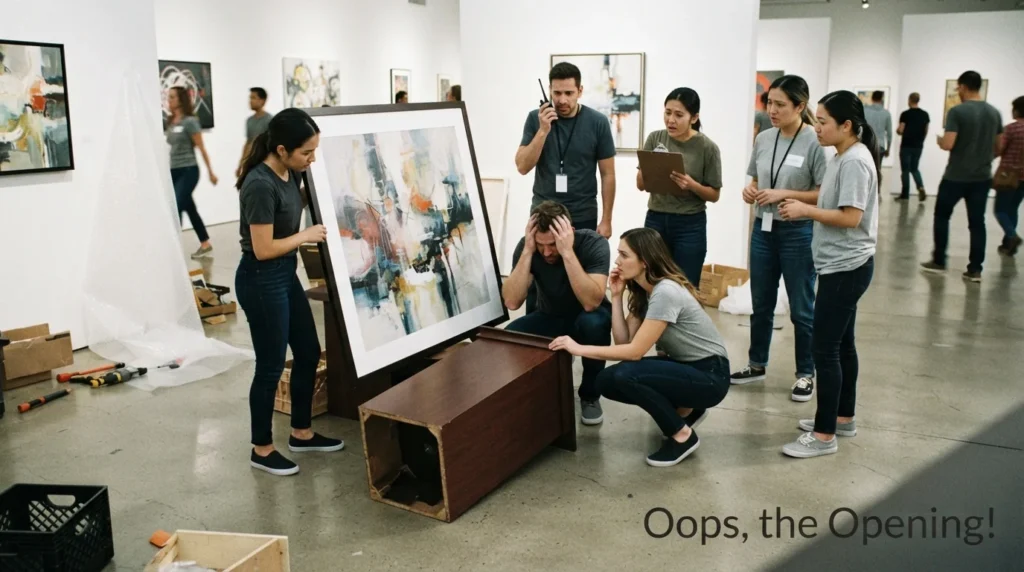
Everyone makes mistakes. Whether it’s a small misunderstanding, a poor decision, or a major setback, mistakes are a natural part of learning and growing. Instead of describing an error in plain words, metaphors for mistake help writers express failure, regret, and valuable life lessons through vivid comparisons.
Many people search for metaphors for mistake when writing essays, stories, poems, speeches, or personal reflections. A strong metaphor can make an ordinary description more emotional, memorable, and engaging.
Metaphors compare one thing to another without using the words “like” or “as.” From real-life experience, saying “A mistake is a wrong turn” paints a much clearer picture than simply saying “I made an error.” In everyday conversations, people often use figurative language to explain poor choices and unexpected setbacks. Creative writers often use metaphors to show that mistakes can become opportunities for growth.
Definition and Meaning
What Are Metaphors for Mistake?
Metaphors for mistake are figures of speech that compare a mistake to another object, place, or experience without using “like” or “as.”
For example, instead of saying someone made a mistake, you could say “He took a wrong turn.” The comparison suggests that the person chose an incorrect path but can still find a better direction.
How Do They Work?
A metaphor replaces a literal explanation with a symbolic image. It helps readers understand the consequences, emotions, or lessons connected with a mistake.
For example, calling a mistake a cracked brick suggests that one small error can weaken something important.
Why Do People Use Them?
People use metaphors because they:
- make ideas easier to understand
- create memorable images
- improve storytelling
- express emotions clearly
- strengthen essays and speeches
- encourage reflection and learning
Why We Use Metaphors for Mistake
Mistakes teach valuable lessons. Using metaphors for mistake helps explain these experiences in a creative and relatable way.
Daily Conversations
In everyday conversations, metaphors help people discuss errors without sounding overly harsh.
Creative Writing
Creative writers often use metaphors about mistake to develop characters and show personal growth.
Storytelling
Stories become more meaningful when mistakes are described through symbolic images rather than simple statements.
Poems
Poets use figurative language for mistake to explore regret, forgiveness, wisdom, and hope.
Essays
Students use metaphors for mistake examples to improve reflective and descriptive writing.
Social Media Captions
Creative ways to describe a mistake make inspirational and motivational posts more engaging.
Professional Communication
Leaders, teachers, and coaches use expressions for mistake to encourage learning instead of focusing only on failure.
Best Metaphors for Mistake Examples
1. Metaphor: A Wrong Turn
Meaning: Choosing the wrong direction or decision.
Example sentence: Quitting too early was a wrong turn in my career.
Alternatives: Wrong path; Missed route
2. Metaphor: A Stepping Stone
Meaning: A mistake that leads to growth.
Example sentence: Every failure became a stepping stone to success.
Alternatives: Learning step; Building block
3. Metaphor: A Cracked Brick
Meaning: A small error that weakens something.
Example sentence: One careless decision became a cracked brick in our project.
Alternatives: Weak foundation; Broken block
4. Metaphor: A Detour
Meaning: A temporary setback that changes the journey.
Example sentence: Losing that job was only a detour.
Alternatives: Side road; Alternate path
5. Metaphor: A Loose Thread
Meaning: A small mistake that creates bigger problems.
Example sentence: That forgotten detail became a loose thread in the plan.
Alternatives: Weak link; Small flaw
6. Metaphor: A Broken Compass
Meaning: Poor judgment or direction.
Example sentence: My impatience became a broken compass.
Alternatives: Lost guide; Faulty direction
7. Metaphor: A Burned Bridge
Meaning: A mistake that damages relationships.
Example sentence: His angry words became a burned bridge.
Alternatives: Broken connection; Lost trust
8. Metaphor: A Falling Domino
Meaning: One mistake causes many others.
Example sentence: The missed deadline became the first falling domino.
Alternatives: Chain reaction; Ripple effect
9. Metaphor: A Closed Door
Meaning: A missed opportunity.
Example sentence: Ignoring the interview invitation became a closed door.
Alternatives: Lost chance; Ended opportunity
10. Metaphor: A Pothole
Meaning: A temporary obstacle.
Example sentence: That mistake was only a pothole on my journey.
Alternatives: Small obstacle; Road bump
11. Metaphor: A Shadow
Meaning: A mistake that stays in your mind.
Example sentence: The accident remained a shadow over his confidence.
Alternatives: Dark memory; Lingering regret
12. Metaphor: A Crooked Line
Meaning: Something imperfect.
Example sentence: My first attempt was a crooked line.
Alternatives: Uneven path; Bent road
13. Metaphor: A Missed Step
Meaning: A brief lapse in judgment.
Example sentence: Losing my temper was a missed step.
Alternatives: False move; Slip
14. Metaphor: A Torn Map
Meaning: Confusion caused by a poor decision.
Example sentence: The lack of planning became a torn map.
Alternatives: Lost guide; Broken plan
15. Metaphor: A Broken Key
Meaning: An action that prevents progress.
Example sentence: My dishonesty became a broken key.
Alternatives: Locked door; Failed solution
16. Metaphor: A Ripple
Meaning: One mistake affects many people.
Example sentence: His careless comment created a ripple through the team.
Alternatives: Wave; Chain effect
17. Metaphor: A Cloud
Meaning: A mistake that hides clear thinking.
Example sentence: Fear became a cloud over my judgment.
Alternatives: Fog; Mist
18. Metaphor: A Bent Nail
Meaning: An error that slows progress.
Example sentence: Poor preparation became a bent nail in the project.
Alternatives: Damaged tool; Weak point
19. Metaphor: A Cracked Mirror
Meaning: A mistake that changes self-confidence.
Example sentence: The public failure became a cracked mirror.
Alternatives: Broken reflection; Damaged image
20. Metaphor: A Fallen Brick
Meaning: A mistake that weakens success.
Example sentence: Missing the deadline became a fallen brick.
Alternatives: Broken support; Missing block
21. Metaphor: A Flat Tire
Meaning: A temporary problem that delays progress.
Example sentence: That error was only a flat tire on the road to success.
Alternatives: Road delay; Temporary setback
22. Metaphor: A Faded Ink Mark
Meaning: A mistake that can eventually be corrected.
Example sentence: The misunderstanding became a faded ink mark over time.
Alternatives: Erased mark; Old stain
23. Metaphor: A Crooked Bridge
Meaning: A weak solution created by mistakes.
Example sentence: Poor planning built a crooked bridge.
Alternatives: Weak connection; Unstable path
24. Metaphor: A Red Light
Meaning: A warning to stop and rethink.
Example sentence: That failure became a red light for my future decisions.
Alternatives: Warning sign; Stop signal
25. Metaphor: A Leaking Bucket
Meaning: Small mistakes slowly create larger problems.
Example sentence: Carelessness became a leaking bucket.
Alternatives: Slow loss; Hidden problem
26. Metaphor: A Broken Puzzle Piece
Meaning: A mistake that prevents everything from fitting together.
Example sentence: The missing information became a broken puzzle piece.
Alternatives: Missing link; Incomplete picture
27. Metaphor: A Thorn
Meaning: A mistake that continues to cause discomfort.
Example sentence: That careless decision remained a thorn in my mind.
Alternatives: Sharp reminder; Painful memory
28. Metaphor: A Dead End
Meaning: A decision that leads nowhere.
Example sentence: The risky investment became a dead end.
Alternatives: Blocked road; End of the path
29. Metaphor: A Broken Ladder
Meaning: A mistake that slows success.
Example sentence: Poor teamwork became a broken ladder.
Alternatives: Missing step; Damaged climb
30. Metaphor: A Burn Mark
Meaning: A lasting reminder of an error.
Example sentence: The incident left a burn mark on his reputation.
Alternatives: Permanent scar; Lasting reminder
31. Metaphor: A Teacher
Meaning: Every mistake offers a valuable lesson.
Example sentence: Every mistake became my greatest teacher.
Alternatives: Wise guide; Lesson giver
Real-Life Conversations
Friends Talking
Jake: I still regret quitting college.
Ryan: It was a wrong turn, not the end of the road.
Jake: You’re right. I can still find another path.
Student and Teacher
Student: I got almost every answer wrong.
Teacher: Think of those mistakes as stepping stones. They show you what to improve.
Student: That makes me feel much better.
Workplace Colleagues
Emma: We lost an important client.
David: It was a falling domino that taught us to improve our communication.
Emma: At least we’ll avoid the same mistake next time.
Everyday Usage Guide
Speaking
Use metaphors for mistake to discuss errors in a thoughtful and encouraging way instead of focusing only on failure.
Essays
In essays, metaphors help explain lessons learned, personal growth, and the consequences of poor decisions while making your writing more engaging.
Poems
Poets often use figurative language for mistake to explore regret, forgiveness, resilience, and wisdom.
Instagram and Facebook Captions
Creative ways to describe a mistake work well in motivational posts about learning, growth, and second chances.
Professional Writing
In speeches, presentations, and workplace communication, expressions for mistake can encourage improvement and teamwork without placing blame.
Common Mistakes
| Wrong Usage | Correct Version | Short Explanation |
|---|---|---|
| A mistake is like a wrong turn. | A mistake is a wrong turn. | Using “like” creates a simile instead of a metaphor. |
| A mistake is a wrong turn, a fish, and a mountain. | A mistake is a wrong turn. | Avoid mixing unrelated metaphors. |
| A mistake is a birthday cake. | A mistake is a stepping stone. | Choose a comparison that matches the idea of an error. |
| Using overly confusing metaphors. | Use clear and familiar comparisons. | Readers should understand the symbolism. |
| Repeating one metaphor throughout the article. | Use different metaphors where appropriate. | Variety improves readability. |
| Using negative metaphors in positive contexts. | Match the metaphor to the message. | The comparison should fit the situation. |
Frequently Asked Questions
What are metaphors for mistake?
Metaphors for mistake are creative comparisons that describe errors, setbacks, or poor decisions by relating them to another object or experience without using “like” or “as.”
Why do writers use metaphors for mistake?
They help readers understand failure, regret, and personal growth through vivid imagery.
Where can I use metaphors for mistake?
You can use them in essays, stories, poems, speeches, journals, and motivational writing.
What is the difference between a metaphor and a simile?
A metaphor makes a direct comparison, while a simile uses words such as “like” or “as.”
How can I create my own metaphor for a mistake?
Think about what a mistake does—delays progress, causes problems, or teaches a lesson—and compare it directly to something with similar qualities.
Are metaphors for mistake suitable for formal writing?
Yes. When used appropriately, they can strengthen essays, speeches, reports, and reflective writing.
Conclusion
Metaphors for mistake help transform ordinary errors into meaningful images that readers can easily understand. Whether a mistake is a wrong turn, a stepping stone, a falling domino, or a broken compass, each metaphor highlights a different lesson about failure, growth, and resilience. Using metaphors for mistake examples, metaphors about mistake, figurative language for mistake, creative ways to describe a mistake, and expressions for mistake can make your writing more engaging and insightful.
The next time you write about an error or setback, use one of these metaphors to add depth and clarity to your message. A thoughtful comparison can show that mistakes are not just failures—they are often the beginning of wisdom and personal growth.