
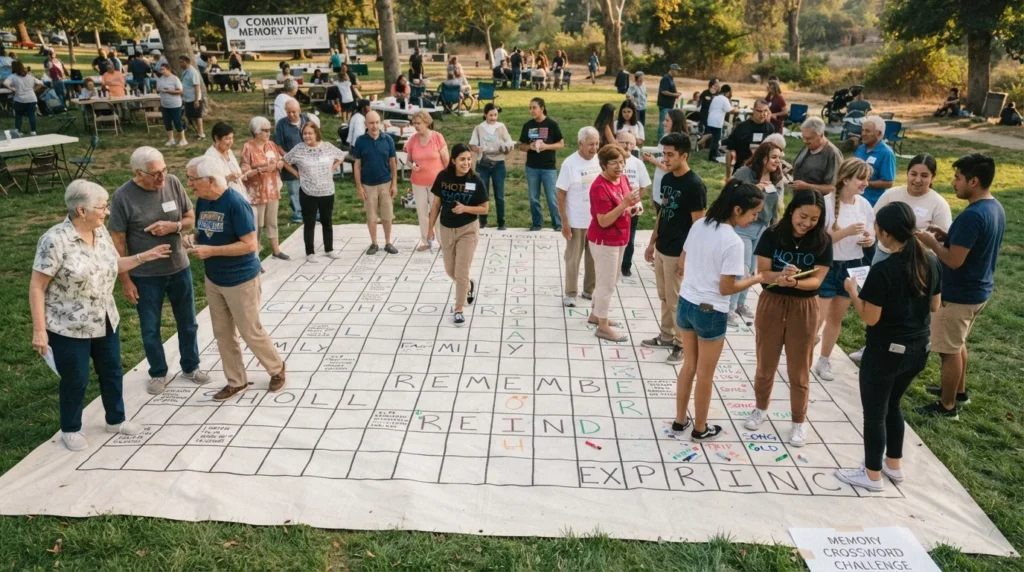
Memory is one of the most fascinating parts of the human mind. It allows us to remember people, places, lessons, and special moments. Some memories bring happiness, while others remind us of challenges or life-changing experiences. Using metaphors for memory helps describe these invisible thoughts through vivid and meaningful images.
Many people search for metaphors for memory when writing essays, poems, stories, speeches, or personal journals. Instead of simply saying someone remembers something, metaphors create colorful comparisons that make writing more engaging and memorable.
Metaphors help explain emotions, experiences, and ideas by comparing them to familiar objects or situations. From real-life experience, saying “Memory is a photo album” creates a much stronger picture than simply saying “I remember the past.” In everyday conversations, people naturally use figurative language to describe remembering and forgetting. Creative writers often use metaphors to make characters, settings, and emotions feel more alive.
Definition and Meaning
What Are Metaphors for Memory?
A metaphor for memory is a figure of speech that compares memory to another object, place, or experience without using the words “like” or “as.”
For example, instead of saying memory stores information, you could say “Memory is a library.” This comparison helps readers imagine memories as books carefully stored on shelves.
How Do They Work?
Metaphors replace a direct explanation with a symbolic image. The comparison highlights different qualities of memory, such as storing, fading, protecting, or revealing experiences.
For example, calling memory a garden suggests that memories grow when they are cared for and may fade when they are neglected.
Why Do People Use Them?
People use metaphors because they:
- make ideas easier to understand
- create vivid mental images
- improve storytelling
- express emotions more clearly
- strengthen essays and speeches
- make writing more memorable
Why We Use Metaphors for Memory
Memory shapes our identity and influences how we understand the world. Using metaphors for memory helps describe this invisible process in creative and relatable ways.
Daily Conversations
In everyday conversations, metaphors make it easier to explain remembering, forgetting, or reflecting on the past.
Creative Writing
Creative writers often use metaphors about memory to build emotional scenes and develop characters.
Storytelling
Stories become more meaningful when memories are described through symbolic images instead of ordinary language.
Poems
Poets use figurative language for memory to express nostalgia, love, loss, hope, and personal growth.
Essays
Students use metaphors for memory examples to improve descriptive and reflective essays.
Social Media Captions
Creative ways to describe memory make captions about special moments more emotional and memorable.
Professional Communication
Speakers, educators, and counselors often use expressions for memory to explain learning, experience, and personal development.
Best Metaphors for Memory Examples
1. Metaphor: A Library
Meaning: Memory stores information for future use.
Example sentence: My memory is a library filled with stories from every stage of life.
Alternatives: Archive; Collection of books
2. Metaphor: A Photo Album
Meaning: Memories preserve important moments.
Example sentence: My childhood remains a photo album I open again and again.
Alternatives: Picture book; Memory album
3. Metaphor: A Treasure Chest
Meaning: Memories are valuable and worth protecting.
Example sentence: Her heart carried a treasure chest of happy memories.
Alternatives: Hidden treasure; Precious collection
4. Metaphor: A Time Machine
Meaning: Memory takes us back to the past.
Example sentence: That old song became a time machine.
Alternatives: Journey to the past; Window through time
5. Metaphor: A Garden
Meaning: Memories grow when cared for.
Example sentence: My happiest memories are flowers in my garden.
Alternatives: Blooming field; Growing place
6. Metaphor: A Museum
Meaning: Memory carefully preserves important experiences.
Example sentence: His mind became a museum of family history.
Alternatives: Gallery; Hall of memories
7. Metaphor: A Puzzle
Meaning: Memories fit together to tell a story.
Example sentence: Every conversation added another piece to the puzzle.
Alternatives: Mosaic; Picture puzzle
8. Metaphor: A River
Meaning: Memories keep flowing through life.
Example sentence: My memories are a river that never stops moving.
Alternatives: Stream; Current
9. Metaphor: A Lighthouse
Meaning: Memory guides future decisions.
Example sentence: Past experiences became my lighthouse.
Alternatives: Beacon; Guiding light
10. Metaphor: A Window
Meaning: Memory lets us look into the past.
Example sentence: Old letters became windows to another time.
Alternatives: Looking glass; Open view
11. Metaphor: A Diary
Meaning: Memory records life’s events.
Example sentence: My mind is a diary written over many years.
Alternatives: Journal; Personal record
12. Metaphor: A Map
Meaning: Memory helps us find our way.
Example sentence: Experience became the map for every decision.
Alternatives: Guide; Roadmap
13. Metaphor: A Quilt
Meaning: Memories are stitched together over time.
Example sentence: Our family history is a quilt of shared moments.
Alternatives: Patchwork; Woven story
14. Metaphor: A Fireplace
Meaning: Warm memories bring comfort.
Example sentence: Grandmother’s stories remain a fireplace in my heart.
Alternatives: Warm hearth; Comforting flame
15. Metaphor: A Seed
Meaning: Small moments grow into lasting memories.
Example sentence: That simple conversation planted a lifelong memory.
Alternatives: Beginning; Tiny root
16. Metaphor: A Mirror
Meaning: Memory reflects the past.
Example sentence: My memory became a mirror of childhood.
Alternatives: Reflection; Looking glass
17. Metaphor: A Vault
Meaning: Memory safely protects important experiences.
Example sentence: My mind is a vault of unforgettable moments.
Alternatives: Safe; Strongbox
18. Metaphor: A Bridge
Meaning: Memory connects the past with the present.
Example sentence: Old photographs became a bridge across time.
Alternatives: Connection; Link
19. Metaphor: A Mosaic
Meaning: Many small memories create a complete life.
Example sentence: My life is a mosaic of unforgettable moments.
Alternatives: Pattern; Artwork
20. Metaphor: A Song
Meaning: Memory returns repeatedly.
Example sentence: Her laughter remains a song in my memory.
Alternatives: Melody; Tune
21. Metaphor: A Lantern
Meaning: Memory lights the way forward.
Example sentence: Experience became a lantern during difficult times.
Alternatives: Guiding light; Lamp
22. Metaphor: A Tree
Meaning: Memories grow deeper over time.
Example sentence: My family memories are a strong tree with deep roots.
Alternatives: Oak; Family tree
23. Metaphor: A Box of Letters
Meaning: Memories are carefully kept and treasured.
Example sentence: My heart became a box of letters.
Alternatives: Keepsake box; Memory chest
24. Metaphor: A Compass
Meaning: Memory provides direction.
Example sentence: Past lessons became my compass.
Alternatives: Guide; Navigator
25. Metaphor: A Tapestry
Meaning: Memories are woven together into one life story.
Example sentence: Her life became a tapestry of unforgettable experiences.
Alternatives: Woven cloth; Rich pattern
26. Metaphor: A Shelf
Meaning: Memories are organized and stored.
Example sentence: My mind keeps childhood memories on the highest shelf.
Alternatives: Bookcase; Storage place
27. Metaphor: A Fountain
Meaning: Memories continue to flow.
Example sentence: Every visit home became a fountain of memories.
Alternatives: Spring; Endless source
28. Metaphor: A Cloud
Meaning: Memories can become unclear or fade.
Example sentence: His earliest memories became a cloud.
Alternatives: Mist; Fog
29. Metaphor: A Film Reel
Meaning: Memory replays past events.
Example sentence: The accident played through my mind as a film reel.
Alternatives: Movie; Recording
30. Metaphor: A Hidden Garden
Meaning: Precious memories remain quietly protected.
Example sentence: Childhood is a hidden garden in my heart.
Alternatives: Secret place; Quiet sanctuary
31. Metaphor: A Constellation
Meaning: Individual memories connect to form a bigger picture.
Example sentence: My happiest moments became a constellation across the years.
Alternatives: Star map; Night sky
32. Metaphor: A Compass Rose
Meaning: Memory offers guidance from many directions.
Example sentence: Every lesson became a point on my compass rose.
Alternatives: Direction guide; Navigation symbol
33. Metaphor: An Echo
Meaning: Memories continue long after the moment has passed.
Example sentence: Her words remain an echo in my heart.
Alternatives: Lasting voice; Lingering sound
34. Metaphor: A Living Archive
Meaning: Memory grows with every new experience.
Example sentence: My mind is a living archive of every journey I’ve taken.
Alternatives: Growing collection; Personal history
Real-Life Conversations
Friends Talking
Mia: Do you ever think about our school days?
Liam: All the time. My memories are a photo album I never get tired of opening.
Mia: Mine too. Every page brings back another smile.
Student and Teacher
Student: Why do authors call memory a library?
Teacher: Because memories are stored and organized, just as books are kept on library shelves.
Student: That comparison makes it much easier to understand.
Workplace Colleagues
Emma: You’ve worked here for twenty years.
David: Yes, this office has become a museum of unforgettable memories.
Emma: You’ve certainly seen a lot of history here.
Everyday Usage Guide
Speaking
Use metaphors for memory when sharing stories, recalling special moments, or describing lessons you’ve learned. They make conversations more expressive and engaging.
Essays
In essays, metaphors help explain reflection, growth, and personal experiences while making your writing more vivid and memorable.
Poems
Poets often use figurative language for memory to explore nostalgia, love, loss, and hope. A well-chosen metaphor can capture deep emotions in just a few words.
Instagram and Facebook Captions
Creative ways to describe memory work well for family photos, travel memories, graduations, birthdays, anniversaries, and reunions.
Professional Writing
In speeches, presentations, and educational writing, expressions for memory can explain learning, experience, and personal development in a memorable way.
Common Mistakes
| Wrong Usage | Correct Version | Short Explanation |
|---|---|---|
| Memory is like a library. | Memory is a library. | Using “like” creates a simile, not a metaphor. |
| Memory is a library and a volcano and a fish. | Memory is a library. | Avoid mixing unrelated metaphors. |
| Memory is a sandwich. | Memory is a treasure chest. | Choose comparisons that clearly relate to remembering. |
| Using unclear comparisons. | Pick a familiar image readers understand. | Clear metaphors have greater impact. |
| Repeating the same metaphor throughout an article. | Use different metaphors where appropriate. | Variety makes writing more engaging. |
| Using a metaphor that doesn’t fit the context. | Match the metaphor to the emotion or idea. | Choose comparisons that support your message. |
Frequently Asked Questions
What is a metaphor for memory?
A metaphor for memory is a creative comparison that describes remembering by relating it to another object, place, or experience without using “like” or “as.”
Why do writers use metaphors for memory?
They help readers visualize thoughts and emotions while making writing more vivid and memorable.
Where can I use metaphors for memory?
You can use them in essays, poems, stories, speeches, journals, social media posts, and everyday conversations.
What is the difference between a metaphor and a simile?
A metaphor makes a direct comparison, while a simile uses words such as “like” or “as.”
How can I create my own memory metaphor?
Think about what memory does—stores, protects, fades, or revisits the past—and compare it directly to something with the same qualities.
Are metaphors for memory suitable for formal writing?
Yes. When used carefully, they can strengthen essays, speeches, literary analysis, and other forms of formal writing.
Conclusion
Metaphors for memory help transform invisible thoughts and experiences into vivid images that readers can easily understand. Whether memory is a library, a photo album, a treasure chest, or a living archive, each metaphor highlights a different aspect of how we remember, reflect, and learn from the past. Using metaphors for memory examples, figurative language for memory, creative ways to describe memory, and expressions for memory can make your writing more engaging and emotionally powerful.
The next time you write a story, poem, essay, or speech, try using one of these metaphors to bring your memories to life. A meaningful comparison can help readers connect with your experiences and make your words unforgettable.