
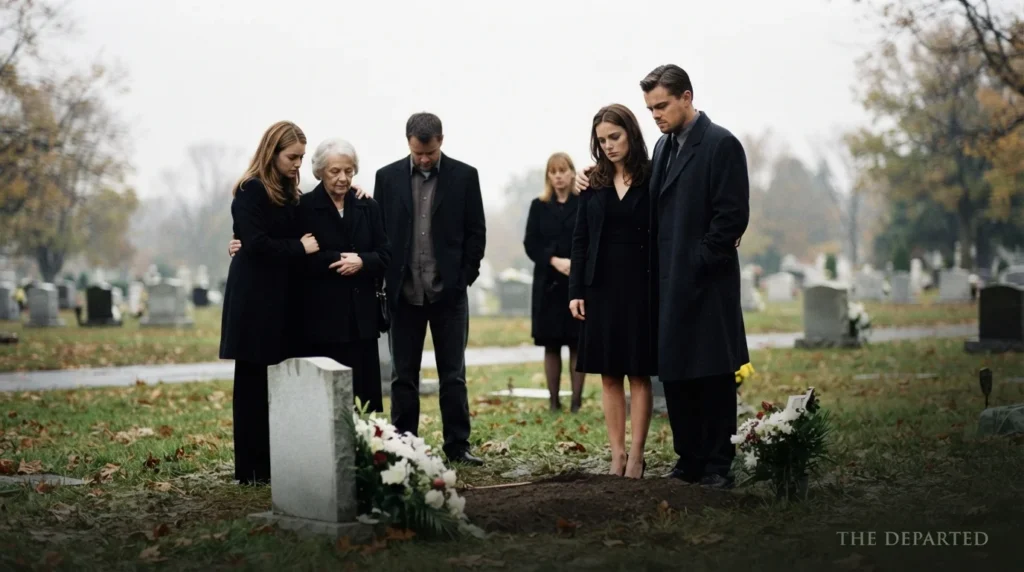
Loss is a natural part of life. People experience many kinds of losses, including the loss of a loved one, a friendship, a job, money, opportunities, or even personal dreams. Because these experiences can be difficult to describe, metaphors for losses help express emotions through vivid and meaningful comparisons.
Many people search for metaphors for losses when writing essays, poems, stories, speeches, sympathy messages, or personal reflections. A well-chosen metaphor can communicate sadness, change, and resilience in a way that plain language often cannot.
Metaphors allow writers to describe emotions, experiences, and situations by comparing them to familiar objects or events. From real-life experience, saying “Loss is a heavy backpack” creates a stronger emotional image than simply saying “Loss is difficult.” In everyday conversations, people use figurative language to explain grief and disappointment. Creative writers often use metaphors to make emotional moments more powerful and memorable.
Definition and Meaning
What Are Metaphors for Losses?
Metaphors for losses are figures of speech that compare loss to another object, place, or experience without using the words “like” or “as.”
For example, instead of saying grief is painful, you could say “Grief is a storm.” This comparison helps readers imagine the emotional intensity of the experience.
How Do They Work?
A metaphor replaces a direct explanation with a symbolic image. The comparison highlights different aspects of loss, such as sadness, emptiness, healing, change, or hope.
For example, calling loss a winter season suggests that difficult times may eventually give way to renewal.
Why Do People Use Them?
People use metaphors because they:
- express emotions more deeply
- create vivid mental images
- improve storytelling
- strengthen poems and speeches
- make writing more memorable
- help readers connect emotionally
Why We Use Metaphors for Losses
Loss is a universal experience, but everyone experiences it differently. Using metaphors for losses helps explain those feelings in a way that others can understand.
Daily Conversations
In everyday conversations, metaphors make it easier to talk about grief, disappointment, or personal change.
Creative Writing
Creative writers often use metaphors about losses to build emotional scenes and develop meaningful characters.
Storytelling
Stories become more moving when loss is shown through symbolic images instead of direct statements.
Poems
Poets use figurative language for losses to explore grief, healing, remembrance, and hope.
Essays
Students often include metaphors for losses examples in reflective essays and literary analysis to add emotional depth.
Social Media Captions
Creative ways to describe losses can make tribute posts and personal reflections more heartfelt and meaningful.
Professional Communication
Counselors, speakers, and leaders sometimes use expressions for losses to discuss change, resilience, and recovery with compassion.
Best Metaphors for Losses Examples
1. Metaphor: A Heavy Backpack
Meaning: Loss feels like an emotional burden.
Example sentence: After the accident, every day became a heavy backpack on my shoulders.
Alternatives: Heavy load; Emotional weight
2. Metaphor: A Storm
Meaning: Loss brings emotional turmoil.
Example sentence: Grief became a storm that shook every part of my life.
Alternatives: Emotional hurricane; Tempest
3. Metaphor: An Empty Chair
Meaning: Someone’s absence is deeply felt.
Example sentence: His passing left an empty chair at every family gathering.
Alternatives: Silent seat; Missing place
4. Metaphor: A Broken Bridge
Meaning: A connection has been permanently lost.
Example sentence: Their friendship became a broken bridge.
Alternatives: Fallen bridge; Lost connection
5. Metaphor: A Fading Echo
Meaning: Memories slowly become quieter.
Example sentence: Her voice became a fading echo in my heart.
Alternatives: Lingering whisper; Distant sound
6. Metaphor: A Dark Cloud
Meaning: Loss brings sadness and uncertainty.
Example sentence: A dark cloud followed him after losing his job.
Alternatives: Shadow; Gray sky
7. Metaphor: A Winter Season
Meaning: A difficult period that may eventually pass.
Example sentence: Losing my home felt like entering a long winter season.
Alternatives: Cold season; Frosty chapter
8. Metaphor: A Cracked Foundation
Meaning: Loss shakes a person’s sense of stability.
Example sentence: Her confidence became a cracked foundation.
Alternatives: Broken base; Shaken ground
9. Metaphor: A Burned Map
Meaning: Future plans have disappeared.
Example sentence: The business failure left us with a burned map.
Alternatives: Lost direction; Destroyed guide
10. Metaphor: A Closed Door
Meaning: An opportunity has ended.
Example sentence: Missing the scholarship felt like a closed door.
Alternatives: Locked entrance; Ended path
11. Metaphor: A Silent Room
Meaning: Loss creates emptiness.
Example sentence: The house became a silent room after the children moved away.
Alternatives: Quiet space; Empty home
12. Metaphor: A Fallen Tree
Meaning: Someone strong or important is gone.
Example sentence: The community lost a fallen tree when the teacher retired.
Alternatives: Mighty oak; Lost pillar
13. Metaphor: A Torn Page
Meaning: Part of life’s story is missing.
Example sentence: Losing my childhood home felt like a torn page from my life.
Alternatives: Missing chapter; Broken story
14. Metaphor: A Dimmed Lantern
Meaning: Hope has weakened.
Example sentence: The bad news became a dimmed lantern.
Alternatives: Fading light; Weak flame
15. Metaphor: A Dry River
Meaning: Something once full of life is now empty.
Example sentence: Without her laughter, the house became a dry river.
Alternatives: Empty stream; Silent flow
16. Metaphor: A Missing Puzzle Piece
Meaning: Something important is gone.
Example sentence: Losing my mentor left a missing puzzle piece in my life.
Alternatives: Incomplete picture; Empty space
17. Metaphor: A Broken Compass
Meaning: Loss causes confusion and uncertainty.
Example sentence: After graduation, I felt as though my future was a broken compass.
Alternatives: Lost direction; Faulty guide
18. Metaphor: A Wilted Garden
Meaning: Joy and growth have faded.
Example sentence: The family became a wilted garden after the tragedy.
Alternatives: Faded flowers; Dying field
19. Metaphor: A Shattered Window
Meaning: Loss changes how we see the world.
Example sentence: The betrayal became a shattered window.
Alternatives: Broken view; Cracked glass
20. Metaphor: An Empty Nest
Meaning: Children have left home.
Example sentence: Their home became an empty nest after the last child moved out.
Alternatives: Quiet home; Vacant house
21. Metaphor: A Sunset
Meaning: The end of an important chapter.
Example sentence: Retirement marked the sunset of his career.
Alternatives: Closing day; Evening sky
22. Metaphor: A Ship Without a Sail
Meaning: Feeling directionless after a loss.
Example sentence: Without her encouragement, I became a ship without a sail.
Alternatives: Drifting boat; Lost vessel
23. Metaphor: A Hollow Tree
Meaning: Looking strong on the outside while hurting inside.
Example sentence: He was a hollow tree after losing his brother.
Alternatives: Empty shell; Hollow trunk
24. Metaphor: A Broken Clock
Meaning: Life feels as though it has stopped.
Example sentence: The day of the accident became a broken clock.
Alternatives: Frozen time; Stopped watch
25. Metaphor: A Desert
Meaning: A period of loneliness or emotional emptiness.
Example sentence: Grief became a desert with no end in sight.
Alternatives: Barren land; Empty wilderness
26. Metaphor: A Fallen Star
Meaning: The loss of someone admired or loved.
Example sentence: The world lost a fallen star.
Alternatives: Extinguished light; Lost brilliance
27. Metaphor: A Broken Wing
Meaning: Losing the ability to move forward easily.
Example sentence: Failure became a broken wing.
Alternatives: Injured flight; Lost freedom
28. Metaphor: A Shadow
Meaning: Loss stays with us for a long time.
Example sentence: The memory remained a shadow through the years.
Alternatives: Lasting darkness; Silent companion
29. Metaphor: A Cracked Bell
Meaning: Joy no longer feels complete.
Example sentence: His laughter became a cracked bell after the loss.
Alternatives: Broken melody; Weak voice
30. Metaphor: A Washed-Out Painting
Meaning: Happy memories have faded.
Example sentence: Time turned those moments into a washed-out painting.
Alternatives: Faded picture; Pale canvas
31. Metaphor: A House Without Windows
Meaning: Feeling isolated and without hope.
Example sentence: Depression turned life into a house without windows.
Alternatives: Dark room; Closed house
32. Metaphor: A Scar
Meaning: Loss leaves a lasting mark but can heal over time.
Example sentence: Her grief became a scar that reminded her of love.
Alternatives: Lasting mark; Healing wound
Real-Life Conversations
Friends Talking
Emma: Have you been doing okay since your grandfather passed away?
Liam: It’s been hard. It feels as though there’s an empty chair at every family dinner.
Emma: I know he meant a lot to all of you.
Student and Teacher
Student: Why did the poet describe grief as a storm?
Teacher: Because storms are powerful, unpredictable, and eventually pass, just as grief changes over time.
Student: That makes the poem much more meaningful.
Workplace Colleagues
Sophia: Losing that client was disappointing.
Daniel: It felt like a closed door, but maybe another opportunity will open soon.
Sophia: I hope so. Let’s keep moving forward.
Everyday Usage Guide
Speaking
Use metaphors for losses when talking about grief, disappointment, or major life changes. They can help express difficult emotions in a thoughtful way.
Essays
In essays, metaphors make personal experiences and literary analysis more vivid. They help readers understand emotional experiences without lengthy explanations.
Poems
Poets often use figurative language for losses to express sorrow, remembrance, healing, and hope. A meaningful metaphor can capture emotions that are hard to describe directly.
Instagram and Facebook Captions
Creative ways to describe losses are useful for tribute posts, memorial messages, and reflections about personal growth after difficult experiences.
Professional Writing
In speeches, counseling materials, and motivational writing, expressions for losses can communicate empathy while encouraging resilience and recovery.
Common Mistakes
| Wrong Usage | Correct Version | Short Explanation |
|---|---|---|
| Loss is like a storm. | Loss is a storm. | Using “like” creates a simile, not a metaphor. |
| Loss is a storm, a sandwich, and a bicycle. | Loss is a storm. | Avoid mixing unrelated metaphors. |
| Loss is a flower during a funeral speech. | Loss is a heavy backpack. | Choose a metaphor that matches the emotional tone. |
| Using overly complicated comparisons. | Pick simple, familiar images. | Clear metaphors are easier to understand. |
| Repeating the same metaphor throughout the piece. | Use different metaphors where appropriate. | Variety keeps writing engaging. |
| Using a metaphor with no clear meaning. | Select a comparison that supports your message. | Readers should easily understand the symbolism. |
Frequently Asked Questions
What are metaphors for losses?
Metaphors for losses are creative comparisons that describe grief, disappointment, or change by relating them to another object, place, or experience without using “like” or “as.”
Why do writers use metaphors for losses?
They help readers understand difficult emotions through vivid and meaningful imagery.
Where can I use metaphors for losses?
You can use them in essays, poems, stories, speeches, sympathy messages, journals, and social media posts.
What is the difference between a metaphor and a simile?
A metaphor makes a direct comparison, while a simile uses words such as “like” or “as.”
How can I create my own metaphor for loss?
Think about how loss feels or what it changes, then compare it directly to an object, place, or experience with similar qualities.
Are metaphors for losses suitable for formal writing?
Yes. When used carefully, they can strengthen reflective essays, speeches, literary analysis, and other forms of formal writing.
Conclusion
Metaphors for losses help transform painful experiences into meaningful images that readers can understand and relate to. Whether loss is a storm, an empty chair, a heavy backpack, or a scar, each metaphor highlights a different part of grief, change, healing, or resilience. Using metaphors for losses examples, metaphors about losses, figurative language for losses, creative ways to describe losses, and expressions for losses can make your writing more compassionate, vivid, and emotionally powerful.
As you write stories, essays, poems, or personal reflections, experiment with these metaphors to express complex emotions with clarity and depth. A thoughtful metaphor can help readers connect with your message and better understand the many forms that loss can take.