
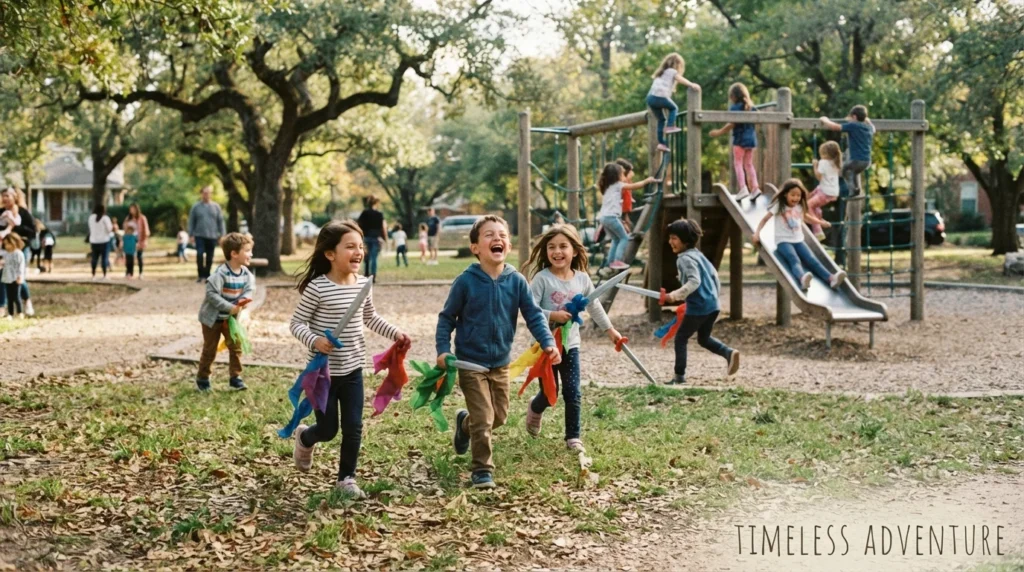
Childhood is a special stage of life filled with curiosity, imagination, learning, and unforgettable memories. It is often remembered as a time of innocence, adventure, and growth. Because childhood is such a meaningful experience, metaphors for childhood help writers describe it in vivid and emotional ways.
Many people search for metaphors for childhood when writing essays, poems, stories, speeches, or personal reflections. A well-chosen metaphor can capture the joy, wonder, and lessons of growing up better than plain descriptions.
Metaphors allow us to describe experiences and emotions through creative comparisons. From real-life experience, saying “Childhood is a garden” creates a richer image than simply saying “Childhood is an important time.” In everyday conversations, people use figurative language to reflect on their early years. Creative writers often use metaphors to make memories and life experiences more meaningful and memorable.
Definition and Meaning
What Are Metaphors for Childhood?
Metaphors for childhood are figures of speech that compare childhood to another object, place, or experience without using the words “like” or “as.”
For example, instead of saying childhood is full of learning, you could say “Childhood is a blank canvas.” This comparison suggests that early life is full of possibilities waiting to be explored.
How Do They Work?
A metaphor replaces a literal explanation with a symbolic image. The comparison highlights different qualities of childhood, such as innocence, growth, imagination, discovery, or happiness.
For example, calling childhood a sunrise emphasizes that it is the beginning of life’s journey.
Why Do People Use Them?
People use metaphors because they:
- create vivid mental images
- express emotions more clearly
- improve storytelling
- strengthen essays and poems
- make writing memorable
- help readers connect with personal experiences
Why We Use Metaphors for Childhood
Childhood shapes our personalities, values, and dreams. Using metaphors for childhood helps explain these important years through creative and relatable images.
Daily Conversations
In everyday conversations, metaphors help people share happy memories and life lessons from their younger years.
Creative Writing
Creative writers often use metaphors about childhood to build emotional scenes and memorable characters.
Storytelling
Stories become more engaging when childhood experiences are described through symbolic comparisons.
Poems
Poets use figurative language for childhood to express innocence, wonder, nostalgia, and personal growth.
Essays
Students often include metaphors for childhood examples in descriptive and reflective essays to make their writing more expressive.
Social Media Captions
Creative ways to describe childhood make nostalgic posts more meaningful and relatable.
Professional Communication
Speakers and educators sometimes use expressions for childhood to discuss learning, development, and lifelong growth.
Best Metaphors for Childhood Examples
1. Metaphor: A Garden
Meaning: Childhood is a time of growth and care.
Example sentence: My childhood was a garden filled with laughter and learning.
Alternatives: Blooming field; Green paradise
2. Metaphor: A Blank Canvas
Meaning: Childhood is full of possibilities.
Example sentence: Every child begins life as a blank canvas.
Alternatives: Empty page; Fresh start
3. Metaphor: A Sunrise
Meaning: Childhood marks the beginning of life’s journey.
Example sentence: Childhood is the sunrise of every life.
Alternatives: New dawn; Morning light
4. Metaphor: A Playground
Meaning: Childhood is filled with fun and discovery.
Example sentence: My early years were a playground of endless adventures.
Alternatives: Adventure park; Joyful world
5. Metaphor: A Storybook
Meaning: Childhood is full of magical moments.
Example sentence: My childhood remains a storybook of unforgettable memories.
Alternatives: Fairy tale; Book of wonders
6. Metaphor: A Seed
Meaning: Childhood is the beginning of future growth.
Example sentence: Every dream started as a seed during childhood.
Alternatives: Tiny beginning; Young plant
7. Metaphor: A Treasure Chest
Meaning: Childhood holds precious memories.
Example sentence: My heart carries a treasure chest of childhood moments.
Alternatives: Memory box; Hidden treasure
8. Metaphor: A Rainbow
Meaning: Childhood is colorful and joyful.
Example sentence: Her childhood was a rainbow of happy experiences.
Alternatives: Bright sky; Colorful world
9. Metaphor: A Kite
Meaning: Childhood is free and full of hope.
Example sentence: My childhood was a kite dancing in the wind.
Alternatives: Soaring dream; Flying spirit
10. Metaphor: A Nest
Meaning: Childhood is a place of safety and care.
Example sentence: Home was a warm nest during my childhood.
Alternatives: Safe shelter; Cozy home
11. Metaphor: A River
Meaning: Childhood flows naturally into adulthood.
Example sentence: Childhood is a river leading toward the future.
Alternatives: Stream; Flowing journey
12. Metaphor: A Box of Crayons
Meaning: Childhood is creative and full of imagination.
Example sentence: My childhood was a box of crayons waiting to color the world.
Alternatives: Color palette; Art box
13. Metaphor: A Butterfly
Meaning: Childhood is a stage of transformation.
Example sentence: Childhood is the butterfly before life’s longer journey.
Alternatives: Gentle wings; New life
14. Metaphor: A Fairground
Meaning: Childhood is exciting and joyful.
Example sentence: Every summer felt like a fairground.
Alternatives: Carnival; Festival
15. Metaphor: A Lighthouse
Meaning: Childhood guides future life.
Example sentence: Those early lessons became a lighthouse for my future.
Alternatives: Beacon; Guiding light
16. Metaphor: A Song
Meaning: Childhood leaves lasting memories.
Example sentence: My childhood remains a beautiful song.
Alternatives: Melody; Tune
17. Metaphor: A Puzzle
Meaning: Childhood experiences shape identity.
Example sentence: Every lesson became another piece of my childhood puzzle.
Alternatives: Mosaic; Picture
18. Metaphor: A Castle
Meaning: Childhood is full of imagination and dreams.
Example sentence: My bedroom was a castle of endless adventures.
Alternatives: Kingdom; Dream world
19. Metaphor: A Forest
Meaning: Childhood is full of discoveries.
Example sentence: Growing up was a forest filled with surprises.
Alternatives: Wilderness; Woodland
20. Metaphor: A Lantern
Meaning: Childhood lights the path ahead.
Example sentence: My early memories remain a lantern in difficult times.
Alternatives: Lamp; Guiding light
21. Metaphor: A Quilt
Meaning: Childhood is made of many cherished moments.
Example sentence: My childhood is a quilt stitched with love and laughter.
Alternatives: Patchwork; Woven blanket
22. Metaphor: A Tree
Meaning: Childhood forms deep roots.
Example sentence: My values grew from the tree of childhood.
Alternatives: Mighty oak; Family tree
23. Metaphor: A Window
Meaning: Childhood offers a clear view of the world.
Example sentence: Childhood is a window filled with wonder.
Alternatives: Open view; Bright opening
24. Metaphor: A Balloon
Meaning: Childhood is lighthearted and carefree.
Example sentence: Those years were a balloon floating above life’s worries.
Alternatives: Floating dream; Happy spirit
25. Metaphor: A Campfire
Meaning: Childhood brings warmth and togetherness.
Example sentence: Family evenings became a campfire of happy memories.
Alternatives: Warm flame; Cozy fire
26. Metaphor: A Map
Meaning: Childhood helps shape the future.
Example sentence: My early experiences became the map for my life.
Alternatives: Guide; Roadmap
27. Metaphor: A Sandbox
Meaning: Childhood encourages creativity and exploration.
Example sentence: Childhood is a sandbox where imagination builds anything.
Alternatives: Creative space; Play area
28. Metaphor: A Pocket Full of Stars
Meaning: Childhood is filled with dreams and wonder.
Example sentence: Every child carries a pocket full of stars.
Alternatives: Dream collection; Tiny universe
29. Metaphor: A Gentle Breeze
Meaning: Childhood passes quickly but leaves a pleasant feeling.
Example sentence: Childhood was a gentle breeze that disappeared too soon.
Alternatives: Soft wind; Quiet morning
30. Metaphor: A Swing
Meaning: Childhood is joyful and full of ups and downs.
Example sentence: My childhood was a swing between laughter and lessons.
Alternatives: Playground ride; Happy rhythm
31. Metaphor: A Magic Key
Meaning: Childhood unlocks imagination and creativity.
Example sentence: Curiosity became the magic key to my childhood.
Alternatives: Golden key; Secret key
32. Metaphor: A Book of Adventures
Meaning: Childhood is full of exciting experiences.
Example sentence: Every day added another page to my book of adventures.
Alternatives: Adventure journal; Memory book
33. Metaphor: A Fountain
Meaning: Childhood is a source of happiness and inspiration.
Example sentence: My childhood remains a fountain of joyful memories.
Alternatives: Spring of joy; Endless source
Real-Life Conversations
Friends Talking
Olivia: Do you miss being a kid?
Noah: Sometimes. My childhood feels like a storybook I still enjoy reading.
Olivia: I know exactly what you mean.
Student and Teacher
Student: Why did the author call childhood a garden?
Teacher: Because children grow, learn, and flourish with love and care.
Student: That metaphor makes the idea much clearer.
Workplace Colleagues
Emma: Your speech about growing up was inspiring.
David: Thanks. I described childhood as a sunrise because it’s the beginning of every journey.
Emma: That was a beautiful image.
Everyday Usage Guide
Speaking
Use metaphors for childhood when sharing memories, telling stories, or reflecting on your early years. They make conversations more vivid and meaningful.
Essays
In essays, metaphors help explain personal growth, learning, and life experiences while making your writing more engaging.
Poems
Poets often use figurative language for childhood to express innocence, imagination, nostalgia, and hope. A thoughtful metaphor can create lasting emotional impact.
Instagram and Facebook Captions
Creative ways to describe childhood are perfect for old photos, family memories, school reunions, and nostalgic posts.
Professional Writing
In speeches, educational materials, and presentations, expressions for childhood can help explain development, learning, and the importance of early experiences.
Common Mistakes
| Wrong Usage | Correct Version | Short Explanation |
|---|---|---|
| Childhood is like a garden. | Childhood is a garden. | Using “like” creates a simile, not a metaphor. |
| Childhood is a garden, a spaceship, and a sandwich. | Childhood is a garden. | Avoid mixing unrelated metaphors. |
| Childhood is a calculator. | Childhood is a playground. | Choose comparisons that fit the idea of youth and growth. |
| Using overly complicated metaphors. | Use clear and familiar images. | Simple metaphors are easier to understand. |
| Repeating the same metaphor throughout your writing. | Use different metaphors where appropriate. | Variety keeps your writing interesting. |
| Using a metaphor that doesn’t match the tone. | Select a comparison that supports your message. | The metaphor should fit the emotion or purpose. |
Frequently Asked Questions
What are metaphors for childhood?
Metaphors for childhood are creative comparisons that describe early life by relating it to another object, place, or experience without using “like” or “as.”
Why do writers use metaphors for childhood?
They help readers imagine childhood more vividly while expressing emotions, memories, and personal growth.
Where can I use metaphors for childhood?
You can use them in essays, poems, stories, speeches, journals, and social media captions.
What is the difference between a metaphor and a simile?
A metaphor makes a direct comparison, while a simile uses words such as “like” or “as.”
How can I create my own childhood metaphor?
Think about what childhood represents—growth, curiosity, innocence, or imagination—and compare it directly to something with similar qualities.
Are metaphors for childhood suitable for formal writing?
Yes. When used appropriately, they can strengthen essays, speeches, literary analysis, and reflective writing.
Conclusion
Metaphors for childhood transform early life into vivid images that readers can easily understand and relate to. Whether childhood is a garden, a sunrise, a storybook, or a blank canvas, each metaphor highlights a unique aspect of growing up, learning, and discovering the world. Using metaphors for childhood examples, metaphors about childhood, figurative language for childhood, creative ways to describe childhood, and expressions for childhood can make your writing more engaging, emotional, and memorable.
The next time you write about your early years, try using one of these metaphors to bring your memories to life. A meaningful comparison can help readers connect with your experiences and appreciate the beauty of childhood from a fresh perspective.