
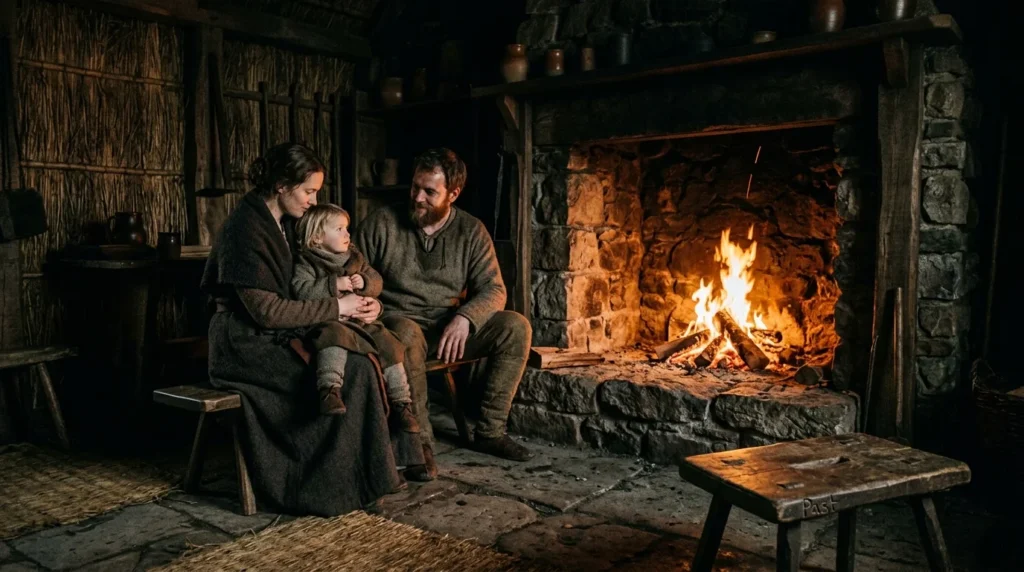
A metaphor for the past is a creative way to describe memories, history, previous experiences, or earlier times without using literal language. Instead of simply saying “the past is important,” a metaphor paints a vivid picture by comparing the past to something meaningful, such as an old book, a fading photograph, or a quiet river. These comparisons help readers connect emotionally with memories and understand how the past shapes the present.
Many people search for a metaphor for the past when writing essays, speeches, poems, stories, or social media captions. A strong metaphor can make personal experiences, historical events, or nostalgic moments feel more vivid and memorable. For example, saying “The past is a well-worn map” creates a much stronger image than simply saying “The past teaches us lessons.”
From real-life experience, everyone has memories that influence who they are today. Some memories bring joy, while others teach valuable lessons. Metaphors help us express these emotions with warmth and creativity. This guide explains what metaphors for the past are, why we use them, and how to include them naturally in writing and conversations.
What Is a Metaphor for the Past?
A metaphor for the past is a figure of speech that compares the past to another object, place, or experience without using “like” or “as.”
Examples:
- The past is an old photograph.
- Memory is a dusty bookshelf.
- History is a winding river.
These metaphors help describe memories, history, and earlier experiences in a meaningful way.
Why Do We Use Metaphors for the Past?
Metaphors for the past help us:
- Describe memories more vividly
- Express nostalgia and reflection
- Make stories and essays more engaging
- Explain life lessons creatively
- Create emotional connections with readers
They are commonly used in:
- Essays
- Stories
- Poems
- Speeches
- Memoirs
- Journals
- Social media captions
- Everyday conversations
Instead of saying:
“The past still affects me.”
You can say:
“The past is a shadow that still walks beside me.”
50 Creative Metaphors for the Past
| Metaphor | Meaning | Sample Sentence | Other Ways to Say |
|---|---|---|---|
| Old Photograph | Cherished memory | The past is an old photograph. | treasured memory, faded picture |
| Dusty Bookshelf | Forgotten memories | My childhood rests on a dusty bookshelf. | forgotten history, old stories |
| Winding River | Life’s history | The past is a winding river. | flowing history, life’s stream |
| Closed Book | Finished chapter | That mistake is a closed book. | completed chapter, finished story |
| Fading Echo | Lingering memory | Her words are a fading echo. | distant memory, quiet reminder |
| Time Capsule | Preserved memories | My journal is a time capsule. | memory box, preserved history |
| Ancient Tree | Long history | Our traditions are an ancient tree. | deep roots, lasting heritage |
| Broken Clock | Time that cannot return | The past is a broken clock. | frozen time, lost moment |
| Shadow | Lasting influence | The past is a shadow behind us. | lingering memory, quiet presence |
| Weathered Map | Lessons from life | My experiences are a weathered map. | life guide, old path |
| Old Bridge | Connection to earlier times | Family stories are an old bridge. | link to history, memory bridge |
| Quiet Museum | Collection of memories | My mind is a quiet museum. | gallery of memories, history hall |
| Autumn Leaves | Passing years | The past is autumn leaves. | changing seasons, fading memories |
| Hidden Treasure | Valuable lessons | Every mistake is hidden treasure. | life lesson, valuable memory |
| Old Diary | Personal history | My heart keeps an old diary. | memory journal, life record |
| Stone Path | Previous journey | The past is a stone path. | old road, traveled route |
| Forgotten Song | Fading memory | Childhood is a forgotten song. | distant melody, old tune |
| Vintage Mirror | Reflection | The past is a vintage mirror. | reflection, glimpse of yesterday |
| Quiet Library | Stored knowledge | History is a quiet library. | archive, collection of wisdom |
| Ancient Castle | Strong traditions | Culture is an ancient castle. | historical foundation, enduring legacy |
| Burned Letter | Letting go | Regret became a burned letter. | released memory, finished chapter |
| Footprints | Evidence of earlier times | The past leaves footprints. | lasting marks, traces |
| Old Garden | Cherished memories | Grandma’s home is an old garden. | memory place, nostalgic haven |
| Rusty Key | Unlocking memories | Music became a rusty key. | memory trigger, forgotten clue |
| Moonlight | Gentle remembrance | The past shines as moonlight. | soft memory, quiet reflection |
| Quiet Harbor | Safe memories | Childhood is a quiet harbor. | comforting past, peaceful memory |
| Cracked Window | Looking back | Old photos are a cracked window. | glimpse of yesterday, memory view |
| Faded Painting | Memories losing detail | Time became a faded painting. | blurred memory, aging picture |
| Golden Thread | Connection through time | Love is the golden thread. | lasting bond, timeless link |
| Family Quilt | Shared history | Our traditions are a family quilt. | woven memories, family heritage |
| Old Lighthouse | Guidance from experience | Experience is an old lighthouse. | guiding wisdom, trusted lesson |
| Silent Garden | Peaceful memories | The past is a silent garden. | calm reflection, quiet history |
| Stone Wall | Strong history | Tradition is a stone wall. | lasting foundation, enduring past |
| Ancient River | Long history | Civilization is an ancient river. | historical flow, timeless journey |
| Morning Mist | Memories fading | Childhood became morning mist. | fading past, soft remembrance |
| Wooden Chest | Stored memories | My heart is a wooden chest. | treasure box, keepsake collection |
| Old Compass | Lessons learned | The past is an old compass. | life guide, direction |
| Candle Flame | Memory that remains | Hope is a candle flame from yesterday. | lasting light, enduring memory |
| Mountain Trail | Previous experiences | My life is a mountain trail. | traveled path, life journey |
| Worn Blanket | Comforting memories | Home is a worn blanket. | familiar comfort, cherished past |
| Glass Bottle | Preserved moments | The letters are a glass bottle. | captured memories, preserved stories |
| Old Oak | Strength from history | Family values are an old oak. | deep roots, enduring tradition |
| Quiet Riverbank | Reflection | Retirement is a quiet riverbank. | peaceful reflection, thoughtful pause |
| Patchwork Quilt | Mixed experiences | Life is a patchwork quilt. | collection of memories, woven history |
| Sunset | End of a chapter | Yesterday is a sunset. | closing chapter, day’s end |
| Antique Clock | Reminder of time | The past is an antique clock. | timeless reminder, old timepiece |
| Silver Frame | Precious memory | Friendship lives in a silver frame. | treasured memory, lasting keepsake |
| Fallen Leaves | Seasons gone by | Memories are fallen leaves. | passing years, changing seasons |
| Echoing Hall | History remembered | The castle became an echoing hall. | place of memories, historical space |
| Roots | Foundation of today | The past is our roots. | origin, foundation |
Real-Life Conversations
Q1. Friends Talking
Emma: Do you ever miss our school days?
Lucas: Sometimes. They feel like an old photograph that I look at with a smile.
Emma: I feel the same way.
Q2. Classroom Conversation
Teacher: How would you describe history using a metaphor?
Student: History is a winding river because it keeps flowing and shapes everything around it.
Teacher: That’s an excellent answer.
Q3. Family Conversation
Dad: Why do you keep those old letters?
Sarah: They’re a time capsule filled with memories I never want to lose.
Dad: That’s a beautiful way to think about them.
Everyday Usage
You can use metaphors for the past in:
- Essays
- Stories
- Speeches
- Poems
- Memoirs
- Journals
- Social media captions
- Everyday conversations
Examples:
- The past is an old photograph I still treasure.
- Every memory is a page in my diary.
- History is a winding river.
- Our traditions are deep roots.
- Yesterday is a sunset that still glows.
Common Mistakes
| Mistake | Correct Usage |
|---|---|
| Mixing unrelated metaphors | Use one clear image throughout your writing. |
| Overusing nostalgic metaphors | Balance emotion with clarity. |
| Choosing a metaphor that doesn’t fit the context | Match the metaphor to the message. |
| Explaining every metaphor | Trust readers to understand the imagery. |
| Confusing metaphors with similes | Metaphors do not use “like” or “as.” |
Multiple Choice Questions (MCQs)
Q1. What does “Old Photograph” usually symbolize?
A. Cherished memories
B. Future plans
C. Competition
D. Wealth
Answer: A
Q2. Which metaphor represents forgotten memories?
A. Dusty Bookshelf
B. Bright Rainbow
C. Open Door
D. Golden Key
Answer: A
Q3. What does “Winding River” symbolize?
A. The flow of history and life
B. A celebration
C. Fast travel
D. A competition
Answer: A
Q4. Which metaphor represents a finished chapter?
A. Closed Book
B. Open Window
C. New Trail
D. Flying Bird
Answer: A
Q5. What does “Shadow” represent?
A. The lasting influence of the past
B. Happiness
C. Success
D. Excitement
Answer: A
Q6. Which metaphor symbolizes preserved memories?
A. Time Capsule
B. Empty Room
C. Broken Wheel
D. Dark Tunnel
Answer: A
Q7. Why do writers use metaphors for the past?
A. To describe memories and history vividly
B. To confuse readers
C. To shorten essays
D. To avoid details
Answer: A
Q8. What does “Golden Thread” represent?
A. A lasting connection through time
B. A lost opportunity
C. A difficult problem
D. A competition
Answer: A
Q9. Which metaphor symbolizes deep family history?
A. Roots
B. Empty Basket
C. Broken Fence
D. Cold Wind
Answer: A
Q10. A metaphor compares one thing by saying it is…
A. Another thing
B. Similar using “like”
C. A definition
D. A question
Answer: A
Frequently Asked Questions
Q1. What is a metaphor for the past?
A metaphor for the past is a figurative expression that compares memories, history, or earlier experiences to meaningful images such as an old photograph, a time capsule, or a winding river.
Q2. Why are metaphors for the past useful?
They make writing more emotional, descriptive, and memorable by helping readers visualize memories and life experiences.
Q3. Can I use these metaphors in essays and speeches?
Yes. They are ideal for essays, speeches, memoirs, stories, poems, and presentations that discuss memories, history, or personal growth.
Q4. What are the most common symbols for the past?
Photographs, books, rivers, roots, diaries, bridges, clocks, maps, trees, and sunsets are common symbols because they represent memory, history, and the passage of time.
Q5. What is the difference between a metaphor and a simile?
A metaphor says one thing is another thing, while a simile compares two things using “like” or “as.”
Q6. Can metaphors for the past be used in everyday conversations?
Yes. Expressions such as “The past is an old photograph,” “Those memories are a time capsule,” or “History is a winding river” sound natural and meaningful in everyday speech.
Conclusion
A metaphor for the past transforms memories and history into vivid images that readers can easily understand and relate to. Whether you describe the past as an old photograph, a weathered map, a time capsule, or deep roots, these metaphors make your writing richer and more meaningful.
Use these metaphors in essays, speeches, poems, stories, journals, and conversations to reflect on memories, celebrate personal growth, and connect the past with the present. The right metaphor can help preserve yesterday’s lessons while inspiring tomorrow’s journey.