
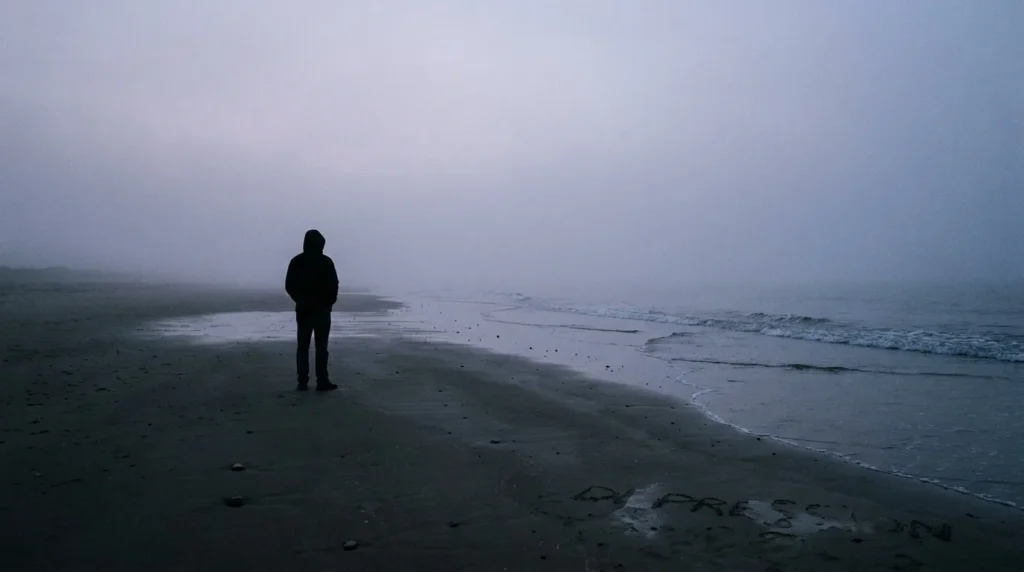
A metaphor for depression is a creative way to describe the experience of depression, deep sadness, emotional heaviness, or feeling disconnected without explaining those feelings literally. Writers, poets, speakers, and everyday people often use metaphors to express emotions that are difficult to put into words. A well-chosen metaphor can help others better understand what someone is experiencing.
Many people search for a metaphor for depression when writing essays, stories, poems, speeches, journal entries, or mental health awareness content. For example, instead of saying “I felt very depressed,” someone might say “I was carrying a mountain on my shoulders.” This paints a vivid picture of emotional weight without describing every detail directly.
From real-life experience, everyone goes through difficult emotional periods at times. Metaphors can help describe those feelings with honesty and compassion while also encouraging understanding and empathy. This guide explains what depression metaphors are, why they are useful, and how to use them respectfully in writing and conversations.
What Is a Metaphor for Depression?
A metaphor for depression is a figure of speech that compares depression or emotional struggles to another object, place, or experience without using “like” or “as.”
Examples:
- Depression is a heavy backpack.
- My mind is a cloudy sky.
- Sadness became a deep ocean.
These metaphors communicate emotional experiences through vivid imagery.
Why Do We Use Depression Metaphors?
Depression metaphors help us:
- Express difficult emotions clearly
- Build empathy and understanding
- Make writing more powerful
- Describe invisible struggles
- Encourage meaningful conversations
They are commonly used in:
- Essays
- Poems
- Stories
- Memoirs
- Mental health awareness articles
- Journals
- Speeches
- Everyday conversations
Instead of saying:
“I felt emotionally exhausted.”
You can say:
“I was carrying a mountain every day.”
50 Creative Metaphors for Depression
| Metaphor | Meaning | Sample Sentence | Other Ways to Say |
|---|---|---|---|
| Heavy Backpack | Emotional burden | Depression became a heavy backpack. | emotional weight, heavy load |
| Dark Cloud | Persistent sadness | A dark cloud followed every thought. | gloomy sky, gray shadow |
| Deep Ocean | Overwhelming emotions | My feelings became a deep ocean. | endless sea, emotional depths |
| Empty Room | Loneliness | My heart felt like an empty room. | lonely place, silent space |
| Cold Winter | Emotional numbness | Depression became a cold winter. | frozen season, icy silence |
| Broken Compass | Feeling lost | My future felt like a broken compass. | lost direction, uncertain path |
| Endless Tunnel | Difficulty seeing hope | Life became an endless tunnel. | long darkness, distant light |
| Heavy Fog | Mental confusion | My thoughts disappeared into heavy fog. | cloudy mind, blurred thinking |
| Stone Wall | Emotional barrier | Depression built a stone wall. | emotional barrier, closed heart |
| Sinking Ship | Losing control | My confidence became a sinking ship. | falling apart, drifting away |
| Empty Battery | No energy | I woke up with an empty battery. | drained strength, exhausted spirit |
| Quiet Storm | Hidden struggle | Inside me was a quiet storm. | silent battle, inner conflict |
| Locked Door | Feeling trapped | Happiness stayed behind a locked door. | closed path, blocked future |
| Gray Sky | Constant sadness | Every morning looked like a gray sky. | gloomy day, dull horizon |
| Broken Bridge | Disconnection | Depression became a broken bridge. | lost connection, emotional gap |
| Heavy Chains | Feeling trapped | Fear wrapped me in heavy chains. | emotional prison, invisible weight |
| Wilted Flower | Loss of joy | My confidence became a wilted flower. | fading hope, fragile spirit |
| Silent Forest | Isolation | My thoughts wandered through a silent forest. | lonely woods, quiet place |
| Fading Candle | Weak hope | Hope became a fading candle. | dim light, shrinking hope |
| Frozen Lake | Emotional numbness | My emotions became a frozen lake. | still feelings, icy heart |
| Shadow | Constant presence | Depression became my shadow. | lingering sadness, silent companion |
| Cracked Mirror | Low self-esteem | My confidence became a cracked mirror. | broken self-image, fractured identity |
| Heavy Anchor | Feeling held back | Depression became a heavy anchor. | emotional burden, dragging weight |
| Empty Chair | Missing connection | Loneliness was an empty chair. | absent comfort, quiet absence |
| Dark Cave | Isolation | I spent weeks in a dark cave. | lonely place, hidden world |
| Rain Without End | Ongoing sadness | My days became rain without end. | endless sorrow, constant sadness |
| Torn Sail | Lost motivation | My ambition became a torn sail. | weakened drive, damaged purpose |
| Broken Clock | Feeling stuck | Time became a broken clock. | frozen moment, stalled life |
| Hollow Tree | Emptiness | My heart felt like a hollow tree. | inner emptiness, quiet shell |
| Fading Echo | Losing joy | Happiness became a fading echo. | distant laughter, fading memory |
| Empty Garden | Lack of growth | My dreams became an empty garden. | barren future, forgotten hopes |
| Heavy Curtain | Difficulty seeing hope | Depression drew a heavy curtain. | blocked light, emotional darkness |
| Slow River | Difficulty moving forward | Every day became a slow river. | sluggish journey, difficult progress |
| Black Ink | Negative thoughts | My mind filled with black ink. | dark thinking, gloomy thoughts |
| Fallen Leaves | Loss | Joy became fallen leaves. | fading happiness, passing moments |
| Quiet Prison | Feeling trapped | Depression became a quiet prison. | emotional cage, hidden struggle |
| Dark Valley | Hard period | I walked through a dark valley. | difficult season, emotional low |
| Empty Nest | Feeling alone | My heart became an empty nest. | loneliness, emotional emptiness |
| Crumbling Tower | Losing confidence | My confidence became a crumbling tower. | broken strength, falling courage |
| Dim Lantern | Weak motivation | Motivation became a dim lantern. | fading drive, little energy |
| Heavy Blanket | Emotional heaviness | Sadness became a heavy blanket. | overwhelming weight, emotional burden |
| Closed Window | Feeling disconnected | Hope hid behind a closed window. | blocked opportunity, distant future |
| Distant Shore | Hard-to-reach recovery | Healing felt like a distant shore. | far destination, hopeful horizon |
| Quiet Desert | Emotional emptiness | My heart became a quiet desert. | empty landscape, lonely place |
| Broken Wings | Feeling unable to move forward | Depression clipped my wings. | lost freedom, limited strength |
| Long Night | Difficult season | It felt like a long night. | endless darkness, hard time |
| Deep Well | Feeling trapped | My thoughts became a deep well. | emotional pit, hidden sadness |
| Rusted Gate | Difficulty opening up | My feelings became a rusted gate. | guarded heart, emotional barrier |
| Gray Horizon | Limited hope | The future looked like a gray horizon. | uncertain tomorrow, cloudy future |
| Small Flame | Hope remains | Even in darkness, hope was a small flame. | tiny light, quiet hope |
Real-Life Conversations
Q1. Friends Talking
Alex: You haven’t seemed yourself lately.
Jordan: It feels like I’m carrying a heavy backpack everywhere I go.
Alex: I’m here if you ever want to talk.
Q2. Student Conversation
Teacher: How would you describe the character’s emotions?
Student: His sadness was a dark cloud that followed him every day.
Teacher: That’s a thoughtful metaphor.
Q3. Family Conversation
Mom: How have you been feeling?
Emma: It has felt like walking through a long night, but I’m taking things one day at a time.
Mom: Thank you for sharing that with me.
Everyday Usage
You can use depression metaphors in:
- Essays
- Stories
- Poems
- Mental health awareness writing
- Journals
- Speeches
- Social media posts
- Thoughtful conversations
Examples:
- My thoughts were a heavy fog.
- Hope was a small flame.
- Depression became a heavy backpack.
- Life felt like a long night.
- My confidence became a wilted flower.
Common Mistakes
| Mistake | Correct Usage |
|---|---|
| Using metaphors that make light of depression | Choose respectful and thoughtful imagery. |
| Mixing several unrelated metaphors | Keep one clear image throughout. |
| Assuming everyone’s experience is the same | Remember that depression affects people differently. |
| Overusing dramatic imagery | Use metaphors that fit the context. |
| Confusing metaphors with similes | Metaphors do not use “like” or “as.” |
Multiple Choice Questions (MCQs)
Q1. What does “Heavy Backpack” usually symbolize?
A. Emotional burden
B. Excitement
C. Wealth
D. Success
Answer: A
Q2. Which metaphor represents persistent sadness?
A. Dark Cloud
B. Bright Star
C. Open Door
D. Rainbow
Answer: A
Q3. What does “Broken Compass” symbolize?
A. Feeling lost
B. Great success
C. Celebration
D. Confidence
Answer: A
Q4. Which metaphor represents emotional numbness?
A. Frozen Lake
B. Blooming Garden
C. Golden Path
D. Shining Sun
Answer: A
Q5. What does “Heavy Anchor” represent?
A. Feeling held back
B. Fast progress
C. Happiness
D. Freedom
Answer: A
Q6. Which metaphor symbolizes hope that still exists?
A. Small Flame
B. Broken Bridge
C. Empty Chair
D. Stone Wall
Answer: A
Q7. Why do writers use depression metaphors?
A. To express difficult emotions in a vivid and compassionate way
B. To confuse readers
C. To shorten writing
D. To replace grammar
Answer: A
Q8. What does “Long Night” represent?
A. A difficult emotional period
B. A vacation
C. A celebration
D. A new job
Answer: A
Q9. Which metaphor represents loneliness?
A. Empty Room
B. Fruit Basket
C. Golden Crown
D. Open Window
Answer: A
Q10. A metaphor compares one thing by saying it is…
A. Another thing
B. Similar using “like”
C. A question
D. A definition
Answer: A
Frequently Asked Questions
Q1. What is a metaphor for depression?
A metaphor for depression is a figurative expression that compares depression or emotional struggles to something else, such as a dark cloud, a heavy backpack, or a long night, to help describe difficult feelings.
Q2. Why do writers use metaphors for depression?
They help communicate complex emotions in a way that is vivid, compassionate, and easier for readers to understand and relate to.
Q3. Can depression metaphors be used in essays and stories?
Yes. They are commonly used in essays, stories, poems, memoirs, speeches, and mental health awareness writing to express emotions thoughtfully.
Q4. What are the most common symbols for depression?
Dark clouds, heavy backpacks, fog, storms, long nights, deep oceans, empty rooms, shadows, frozen lakes, and heavy chains are common symbols because they represent emotional weight, sadness, or isolation.
Q5. What is the difference between a metaphor and a simile?
A metaphor says one thing is another thing, while a simile compares two things using “like” or “as.”
Q6. Can depression metaphors be used in everyday conversations?
Yes. Thoughtful expressions such as “I’m carrying a heavy backpack,” “It feels like a long night,” or “My mind is covered in fog” can help people describe their emotions in a clear and meaningful way.
Conclusion
A metaphor for depression gives people a compassionate and expressive way to describe emotions that are often difficult to explain. Whether you use a dark cloud, a heavy backpack, a long night, or a small flame of hope, these metaphors help readers and listeners better understand emotional experiences.
Use these metaphors in essays, poems, stories, journals, and conversations to express feelings with honesty, empathy, and respect. Thoughtful figurative language can build understanding while also reminding us that, even during difficult seasons, hope and healing remain possible.