
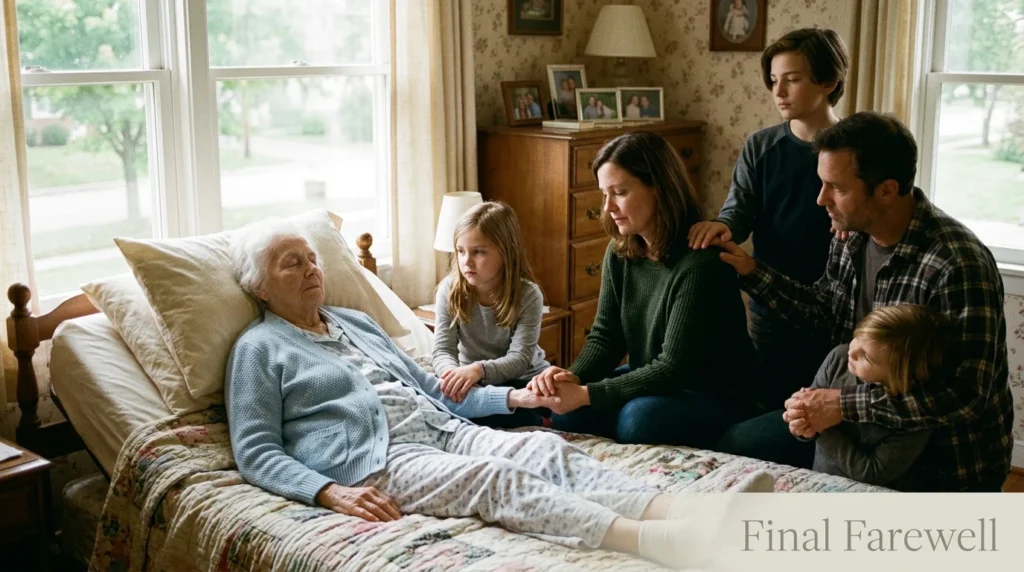
Finding the right metaphor for dying person can help writers, students, speakers, and readers discuss a sensitive topic with compassion and understanding. Death is one of life’s most difficult subjects, and many people prefer gentle, symbolic language instead of direct descriptions.
Throughout history, poets, authors, and storytellers have used metaphors to describe the final stage of life. Expressions such as a setting sun, a fading candle, or a ship nearing harbor can communicate the idea of life’s end while also conveying dignity, peace, reflection, and closure.
People often search for a metaphor for dying person when writing essays, stories, poems, sympathy messages, or literary analyses. These metaphors help express emotions in a thoughtful and respectful way.
In this updated 2026 guide, you’ll learn the meaning of these metaphors, discover practical examples, explore real-life conversations, and learn how to use them appropriately in writing and speech.
Why Metaphor for Dying Person Matter in 2026
Metaphors help people:
- Discuss difficult topics respectfully
- Add depth to writing
- Express emotions gently
- Improve storytelling
- Create memorable imagery
- Communicate compassion
From real-life experience, symbolic language often feels more comforting than harsh or clinical descriptions.
How to Choose the Best Metaphor for Dying Person
For Peaceful Endings
- A Setting Sun
- A Ship Reaching Harbor
- A Candle Growing Dim
For Spiritual Writing
- Crossing the River
- Returning Home
- Entering a New Dawn
For Literature and Poetry
- The Final Chapter
- Autumn’s Last Leaf
- A Bird Returning to the Nest
For Sympathy Messages
- A Gentle Sunset
- A Quiet Departure
- A Journey’s End
Definition and Meaning
A metaphor for dying person is a figure of speech that symbolically represents a person approaching the end of life.
Example
Instead of saying:
“He was nearing death.”
A writer may say:
“His candle was growing dim.”
The candle represents a life gradually coming to an end.
How These Metaphors Work
Metaphors connect life to familiar images.
When someone says:
“She was a setting sun.”
Readers often imagine:
- The end of a day
- Peace and beauty
- A natural transition
This makes difficult topics easier to discuss with sensitivity.
Best Metaphor for Dying Person Examples
| Metaphor | Meaning | Example Sentence | Other Ways to Say |
|---|---|---|---|
| A Setting Sun | Life nearing its end | He was a setting sun on the horizon. | Evening light, fading day |
| A Fading Candle | Life slowly weakening | Her candle was growing dim. | Dimming flame, fading light |
| A Ship Reaching Harbor | Life’s journey ending | He was a ship reaching harbor. | Safe arrival, final port |
| The Final Chapter | End of life’s story | She had entered the final chapter. | Last page, closing story |
| Autumn’s Last Leaf | Final stage of life | He was autumn’s last leaf. | Final season, remaining leaf |
| A Quiet River | Peaceful transition | Her life became a quiet river. | Gentle stream, calm flow |
| A Closing Curtain | Life coming to an end | The curtain was slowly closing. | Final act, ending scene |
| A Bird Returning Home | Peaceful departure | He was a bird returning home. | Homeward flight, final journey |
| A Clock Near Midnight | Time running short | His clock was nearing midnight. | Final hour, late evening |
| A Flower Losing Petals | Life fading naturally | She was a flower losing petals. | Fading bloom, aging flower |
| A Lantern Growing Dim | Weakening strength | The lantern was growing dim. | Fading light, weakening glow |
| A Journey’s End | Completion of life’s path | He had reached journey’s end. | Final destination, completed path |
| A Star Fading at Dawn | Life ending quietly | She was a star fading at dawn. | Fading star, morning light |
| A Book Near Its End | Few pages remaining | His book was nearing its final pages. | Last chapter, ending story |
| A Tree in Late Autumn | Final season of life | He stood like a tree in late autumn. | Aging oak, final season |
Real-Life Conversations
Family Conversation
Son: How is Grandpa doing?
Mother: He’s tired these days. It feels like he’s a setting sun, slowly resting after a long day.
Literature Class
Teacher: Why did the author describe the character as a fading candle?
Student: Because it symbolizes life gradually coming to an end.
Friends Talking
Ali: That poem was emotional.
Hamza: Yes, especially when it described the old man as a ship reaching harbor.
Everyday Usage
In Literature
- The king was a setting sun preparing for night.
In Poetry
- Her candle flickered softly in the evening wind.
In Speeches
- He completed his journey with grace and dignity.
In Sympathy Writing
- May we remember her as a bright light that touched many lives.
Common Mistakes and Corrections
| Mistake | Better Approach |
| Using harsh imagery | Choose gentle, respectful metaphors |
| Mixing multiple metaphors | Use one clear image |
| Using confusing symbolism | Select familiar comparisons |
| Overusing dramatic language | Keep the tone balanced |
| Ignoring context | Match the metaphor to the audience |
Frequently Asked Questions
What is the most common metaphor for a dying person?
“A setting sun” and “a fading candle” are among the most common metaphors.
Can these metaphors be used in essays?
Yes. They are often used in literature, poetry, and academic writing.
Why do writers use metaphors about death?
They help discuss sensitive topics with greater depth and emotion.
What is a peaceful metaphor for a dying person?
“A ship reaching harbor” is a peaceful and comforting metaphor.
Can these metaphors be used in sympathy messages?
Yes, when used respectfully and appropriately.
Conclusion
A thoughtful metaphor for dying person can help express life’s final stage with dignity, compassion, and understanding. Images such as a setting sun, a fading candle, a ship reaching harbor, or the final chapter of a book allow writers to discuss a sensitive subject in a meaningful way.
These metaphors are commonly used in literature, poetry, speeches, and personal reflections because they help readers connect with emotions while maintaining a respectful tone. When chosen carefully, they can bring comfort, understanding, and depth to discussions about life’s final journey.