
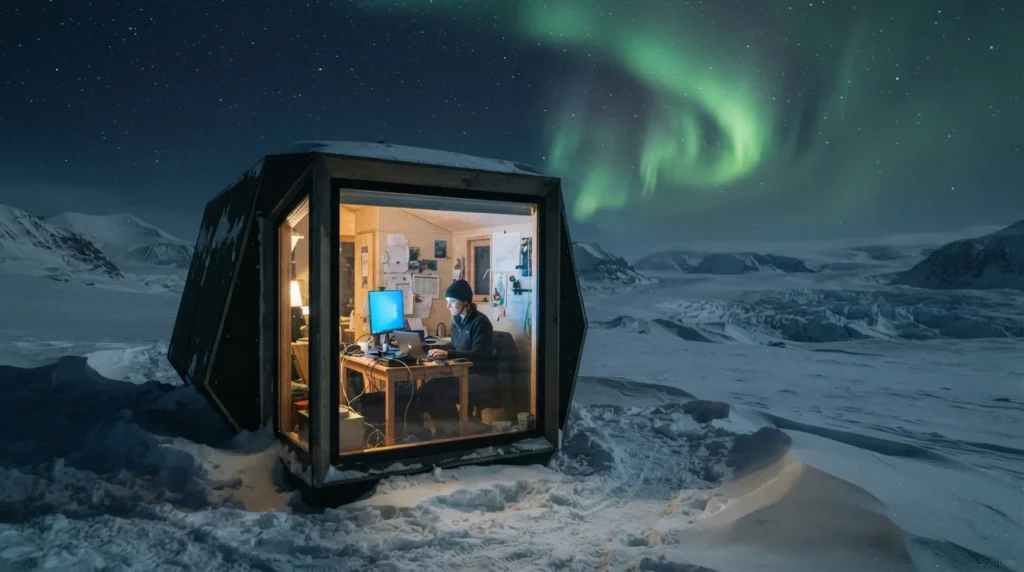
An isolated setting can make a story feel lonely, mysterious, peaceful, or even frightening. A good metaphor for an isolated setting helps readers picture a place that feels far away from people, noise, and everyday life.
Writers often use metaphors to describe places without simply saying, “This place is isolated.” Instead, they compare the setting to something readers already understand. A lonely cabin can become “an island in a sea of wilderness.” A deserted road can become “a scar across an empty landscape.”
Why do people search for metaphor for an isolated setting examples? They may need creative ways to describe a remote village, empty house, lonely island, quiet forest, abandoned building, or distant mountain. Metaphors make these descriptions more vivid and emotional.
From real-life experience, an isolated place can feel very different depending on the situation. A quiet mountain cabin may feel peaceful to one person but frightening to another. In everyday conversations, people may describe an isolated place as “the middle of nowhere.” Creative writers often go further by turning that feeling into a strong image.
In this article, you will find 31 useful metaphors for an isolated setting. Each example includes a simple meaning, a natural sentence, and two alternative expressions.
Definition and Meaning
A metaphor for an isolated setting is a figurative comparison that describes a place as being separated from people, activity, or the outside world.
Instead of directly saying that a place is lonely or remote, a metaphor creates a picture in the reader’s mind.
For example:
Metaphor: The cabin was an island in a sea of wilderness.
Meaning: The cabin was completely separated from other people and surrounded by nature.
The cabin is not literally an island. The metaphor simply compares its isolation to an island surrounded by water.
An isolated setting may be physically far away from other places. It may also feel emotionally isolated. A house in a busy city can even feel like an isolated setting if the character inside feels disconnected from everyone around them.
Metaphors help writers show this feeling instead of simply telling readers about it.
Why We Use Metaphors for an Isolated Setting
Metaphors can make descriptions of lonely or remote places more powerful and memorable.
Daily Conversations
People use simple metaphors when describing places that are far away or difficult to reach.
Expressions such as “the middle of nowhere” help listeners quickly understand that a location is remote.
Creative Writing
Creative writers use metaphors to build atmosphere.
An isolated house might become “a forgotten ship on a silent sea.” This immediately creates a stronger image than simply calling the house lonely.
Storytelling
An isolated setting can create suspense and mystery.
A character trapped in “a cage of mountains” feels much more vulnerable than someone simply described as being in a remote valley.
Poems
Poets often use isolated places to represent loneliness, freedom, sadness, or reflection.
A deserted road can become a symbol of a person’s lonely journey through life.
Essays
Metaphors can make descriptive and personal essays more engaging. They can help explain how a place affected someone’s thoughts or emotions.
Social Media Captions
Short metaphors can make travel, nature, photography, and personal posts more expressive.
A remote mountain view might be described as “a world beyond the noise.”
Professional Communication
Metaphors can sometimes be useful in presentations, speeches, and creative business writing. However, formal communication usually benefits from clear and direct language.
Best Metaphor for an Isolated Setting Examples
Here are 31 powerful metaphor for an isolated setting examples you can use in stories, poems, essays, captions, and descriptive writing.
1. An Island in a Sea of Wilderness
Meaning: The place is completely surrounded by nature and separated from other people.
Example sentence: The tiny cabin was an island in a sea of wilderness.
Alternatives: A lonely island; a pocket of civilization
2. The Middle of Nowhere
Meaning: The place is extremely remote and far from ordinary activity.
Example sentence: Their farmhouse stood in the middle of nowhere.
Alternatives: Far from civilization; the back of beyond
3. A Deserted Island
Meaning: The setting feels completely cut off from other people.
Example sentence: The old house felt like a deserted island in the empty countryside.
Alternatives: A lonely outpost; an isolated refuge
4. A Prison of Silence
Meaning: The setting is so quiet that the silence feels restrictive.
Example sentence: The abandoned village had become a prison of silence.
Alternatives: A cage of quiet; a world without sound
5. A Ship Lost at Sea
Meaning: The setting is alone and disconnected from everything around it.
Example sentence: The lonely lighthouse stood like a ship lost at sea.
Alternatives: A drifting vessel; a forgotten ship
6. A Speck in the Wilderness
Meaning: The place is tiny and surrounded by a vast natural landscape.
Example sentence: The little house was a speck in the wilderness.
Alternatives: A dot in the wild; a tiny refuge
7. A World Apart
Meaning: The setting feels completely separate from normal life.
Example sentence: The mountain village was a world apart from the busy city.
Alternatives: A separate world; a distant realm
8. A Cage of Mountains
Meaning: Mountains surround the place and make it feel enclosed or trapped.
Example sentence: The village rested inside a cage of mountains.
Alternatives: A mountain prison; a valley fortress
9. A Lonely Star
Meaning: The setting stands alone in a large empty space.
Example sentence: The cabin glowed like a lonely star across the dark valley.
Alternatives: A solitary light; a distant beacon
10. A Forgotten Corner of the Earth
Meaning: The place feels remote and unknown to most people.
Example sentence: They discovered a forgotten corner of the earth beyond the mountains.
Alternatives: A hidden world; a lost corner
11. A Desert in Disguise
Meaning: The setting is empty and lifeless even if it is not literally a desert.
Example sentence: The abandoned town was a desert in disguise.
Alternatives: A barren world; an empty land
12. A Bubble Outside Time
Meaning: The setting feels disconnected from normal life and time.
Example sentence: The small cabin felt like a bubble outside time.
Alternatives: A world beyond time; a timeless refuge
13. A Fortress of Solitude
Meaning: The place is strongly separated from other people.
Example sentence: His mountain home became a fortress of solitude.
Alternatives: A private refuge; a lonely stronghold
14. A Dot on the Map
Meaning: The place is small, distant, and easy to overlook.
Example sentence: The village was nothing more than a dot on the map.
Alternatives: A tiny mark; a forgotten location
15. A Shadow Beyond Civilization
Meaning: The setting is far removed from ordinary human life.
Example sentence: The old cabin stood like a shadow beyond civilization.
Alternatives: A place beyond society; a forgotten outpost
16. A Room at the End of the World
Meaning: The setting feels extremely distant and cut off.
Example sentence: The lighthouse keeper lived in a room at the end of the world.
Alternatives: The edge of the world; the world’s farthest corner
17. A Boat Without a Harbor
Meaning: The place has no clear connection to other communities.
Example sentence: The abandoned house seemed like a boat without a harbor.
Alternatives: A home without a shore; a drifting shelter
18. A Silent Island
Meaning: The setting is quiet, empty, and separated from others.
Example sentence: The deserted hotel stood like a silent island in the snow.
Alternatives: A quiet refuge; an empty island
19. A Cocoon of Silence
Meaning: The setting is enclosed in deep quietness.
Example sentence: The forest cabin rested inside a cocoon of silence.
Alternatives: A blanket of quiet; a shell of silence
20. A Lonely Lighthouse
Meaning: The setting stands alone while providing a sense of distance or isolation.
Example sentence: The old farmhouse was a lonely lighthouse on the empty plain.
Alternatives: A solitary beacon; a distant tower
21. A Ghost Town of Memories
Meaning: The setting is empty but seems filled with memories of the past.
Example sentence: The abandoned school had become a ghost town of memories.
Alternatives: A museum of memories; a deserted reminder of the past
22. A Leaf Floating on an Ocean
Meaning: The setting is tiny and alone within a huge surrounding space.
Example sentence: The remote cottage was a leaf floating on an ocean of forest.
Alternatives: A speck in the wilderness; a tiny shelter in a vast world
23. A Hidden Pocket of the World
Meaning: The setting is difficult to find and separated from ordinary places.
Example sentence: The village was a hidden pocket of the world.
Alternatives: A secret corner; a concealed refuge
24. A Road With No Destination
Meaning: The setting feels lonely, uncertain, and disconnected.
Example sentence: The empty highway stretched ahead like a road with no destination.
Alternatives: A path into nowhere; a road without an end
25. A Bubble of Stillness
Meaning: The setting is surrounded by quiet and seems separate from the busy world.
Example sentence: The garden was a bubble of stillness beyond the noisy town.
Alternatives: An island of calm; a pocket of peace
26. A Fortress Without an Army
Meaning: The setting appears protected but completely empty.
Example sentence: The abandoned castle was a fortress without an army.
Alternatives: An empty stronghold; a deserted fortress
27. A World Behind a Curtain
Meaning: The setting feels hidden from ordinary life.
Example sentence: The remote valley seemed like a world behind a curtain.
Alternatives: A hidden realm; a concealed world
28. A House at the Edge of Silence
Meaning: The setting is extremely quiet and far from human activity.
Example sentence: They found a house at the edge of silence.
Alternatives: A home beyond the noise; a silent shelter
29. A Single Candle in Darkness
Meaning: The setting is surrounded by emptiness but contains one small sign of life.
Example sentence: The cabin was a single candle in the darkness of the forest.
Alternatives: A lone light; a solitary flame
30. A Forgotten Ship on Land
Meaning: The setting looks abandoned and disconnected from the world around it.
Example sentence: The old farmhouse looked like a forgotten ship on land.
Alternatives: A stranded vessel; a deserted shelter
31. An Island of One
Meaning: The setting contains only one person or feels completely separated from everyone else.
Example sentence: He lived in the cabin as an island of one.
Alternatives: A solitary home; a world of one
Real-Life Conversations
Metaphors for isolated settings can also appear naturally in conversations.
Friends Talking
Emma: Where did you stay during your hiking trip?
Jack: In a tiny cabin two hours from the nearest town.
Emma: Wasn’t that scary?
Jack: At first. It felt like an island in a sea of wilderness.
Emma: That actually sounds peaceful.
Jack: It was. I had never heard such complete silence.
Student and Teacher
Student: How can I describe the old house in my story?
Teacher: What feeling do you want the reader to have?
Student: I want it to feel lonely and far away.
Teacher: You could call it a fortress of solitude.
Student: That makes it sound much more interesting.
Teacher: Exactly. A good metaphor helps readers feel the setting.
Workplace Colleagues
Sara: How is the new office location?
David: It’s very quiet.
Sara: Too quiet?
David: A little. It feels like a world apart from the rest of the company.
Sara: That could be useful when you need to focus.
David: True. It’s definitely easier to work without distractions.
Everyday Usage Guide
The best figurative language for an isolated setting depends on where you are using it.
In Speaking
Use simple expressions that people can understand quickly.
“Middle of nowhere,” “world apart,” and “island of silence” are easy to understand in casual conversation.
Avoid using an overly complicated metaphor if you are speaking to someone who may not understand it immediately.
In Essays
Metaphors can make descriptive essays more vivid.
If you are writing about a remote place, choose a metaphor that matches the mood. A peaceful setting may be “a bubble of stillness,” while a frightening setting could be “a prison of silence.”
Use the metaphor to support your main point rather than filling every sentence with figurative language.
In Poems
Poetry gives you more freedom.
You can use unusual images such as “a forgotten ship on land” or “a room at the end of the world.”
The best metaphor should create an emotional image as well as a physical one.
In Instagram and Facebook Captions
Short metaphors work especially well for travel and nature photographs.
A photograph of a remote cabin might use a caption such as “A world apart.”
A photograph of an empty road could be described as “A road with no destination.”
In Professional Writing
Professional writing usually needs clear communication.
Metaphors can still be useful in speeches, presentations, articles, and creative business writing, but avoid metaphors that could confuse the audience.
When accuracy matters more than creativity, direct language is usually the better choice.
Common Mistakes
| Wrong usage | Correct version | Short explanation |
|---|---|---|
| The house was like an island in the forest. | The house was an island in the forest. | “Like” turns the expression into a simile rather than a direct metaphor. |
| The village was a cage, an ocean, a desert, and a rocket. | The village was a cage of mountains. | Mixing too many unrelated images makes the description confusing. |
| The lonely cabin was a crowded marketplace. | The lonely cabin was a silent island. | The comparison should match the feeling of isolation. |
| The house was a prison of colorful sunshine. | The house was a prison of silence. | Choose an image that supports the intended mood. |
| The village was literally the middle of nowhere. | The village felt like the middle of nowhere. | Figurative expressions should not normally be treated as literal facts. |
| The forest was an island surrounded by mountains. | The forest was an island surrounded by emptiness. | The image should make logical sense within the setting. |
| The cabin was a world apart, and it was next door to everyone. | The cabin was a world apart from the nearest town. | Avoid contradictions that weaken the metaphor. |
A strong metaphor should make the setting easier to imagine. If readers have to stop and figure out what the comparison means, the metaphor may need to be simplified.
Frequently Asked Questions
What is a metaphor for an isolated setting?
It is a figurative comparison used to describe a place that feels remote, lonely, empty, or separated from other people.
What are common metaphors for isolated places?
Common images include islands, prisons, deserts, hidden worlds, distant stars, and lonely ships.
Why do writers use metaphors for isolated settings?
Writers use them to create stronger images and help readers feel the loneliness, distance, mystery, or peace of a place.
Can an isolated setting be peaceful instead of lonely?
Yes. An isolated setting can represent peace, freedom, privacy, mystery, or loneliness depending on the context.
How can I create my own metaphor for an isolated setting?
Think about the main feeling of the place and compare it with an image that creates the same feeling.
Are metaphors suitable for formal writing?
Yes. Clear and relevant metaphors can work in formal writing, although direct language is often better for technical or highly precise documents.
Conclusion
A strong metaphor for an isolated setting can turn a simple description of a remote place into a vivid image. Whether the setting feels peaceful, frightening, lonely, mysterious, or forgotten, metaphors help readers experience the place rather than simply receive information about it. These metaphors about an isolated setting can make stories, poems, essays, and descriptions much more memorable.
Try using these creative ways to describe an isolated setting as inspiration for your own writing. Choose an image that matches the mood of your scene, keep the comparison clear, and avoid mixing unrelated ideas. With the right expressions for an isolated setting, even a quiet or empty place can become one of the most powerful parts of your writing.