
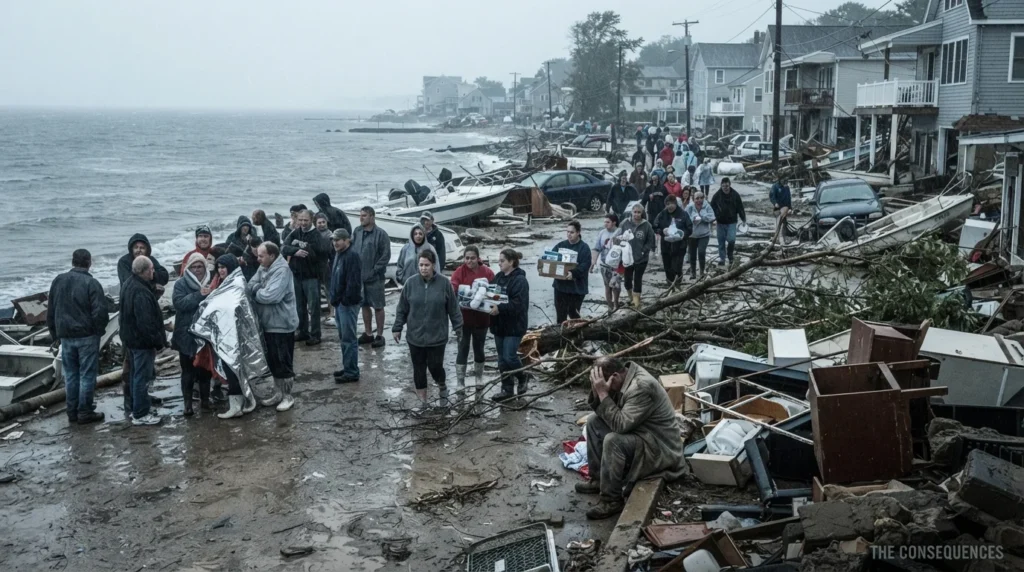
Every action has a result, whether good or bad. Sometimes, simple words are not enough to explain the effects of a choice. That is why many people search for a metaphor for consequences. A well-chosen metaphor compares consequences to something familiar, helping readers understand the impact of decisions more clearly.
Metaphors make writing more vivid and memorable. From real-life experience, people often understand the outcome of an action better when it is described with a powerful image. In everyday conversations, we describe consequences as ripples, shadows, or crossroads. Creative writers often use metaphors to add depth to stories, essays, speeches, and poems.
Whether you are writing about success, failure, responsibility, or personal growth, using a metaphor for consequences can make your message stronger and more meaningful.
Definition and Meaning
A metaphor for consequences is a direct comparison that describes the results of an action as something else without using the words “like” or “as.”
For example, saying “Every choice is a seed” compares a decision to a seed that eventually grows into a result.
What It Means
A metaphor helps readers picture how actions lead to outcomes.
How It Works
It compares consequences to objects, forces, or experiences that naturally produce effects over time.
Why People Use It
People use metaphors because they:
- Make ideas easier to understand.
- Show cause and effect clearly.
- Add emotion to writing.
- Improve storytelling.
- Create memorable images.
- Encourage thoughtful decision-making.
Why We Use Metaphor for Consequences
Daily Conversations
People use metaphors to explain why actions matter and why choices have lasting effects.
Creative Writing
Creative writers often use metaphors about consequences to build themes of responsibility, growth, and change.
Storytelling
Metaphors help readers understand the impact of a character’s decisions.
Poems
Poets use figurative language for consequences to explore hope, regret, justice, and transformation.
Essays
Students use creative metaphors to explain cause-and-effect relationships in a more engaging way.
Social Media Captions
Creative ways to describe consequences can make motivational or reflective posts more meaningful.
Professional Communication
Metaphors can make presentations, leadership talks, and training materials more memorable by explaining the importance of responsible decisions.
Best Metaphor for Consequences Examples
Below are 26 powerful metaphor for consequences examples.
- Metaphor: A Ripple
- Meaning: One action creates many effects.
- Example sentence: Every decision sends a ripple across our future.
- Alternatives: Wave, Echo
- Metaphor: A Seed
- Meaning: Choices grow into future results.
- Example sentence: Every kind word is a seed for tomorrow.
- Alternatives: Beginning, Root
- Metaphor: A Shadow
- Meaning: Consequences follow actions.
- Example sentence: His mistakes became a shadow he could not escape.
- Alternatives: Trace, Silhouette
- Metaphor: A Boomerang
- Meaning: Actions return to the person who made them.
- Example sentence: Every dishonest act is a boomerang.
- Alternatives: Return, Comeback
- Metaphor: A Domino Chain
- Meaning: One event leads to another.
- Example sentence: The small mistake became a domino chain of problems.
- Alternatives: Chain reaction, Cascade
- Metaphor: A Crossroad
- Meaning: Every choice leads to a different future.
- Example sentence: Graduation was a crossroad full of possibilities.
- Alternatives: Fork in the road, Junction
- Metaphor: A Mirror
- Meaning: Consequences reflect our actions.
- Example sentence: Success is a mirror of consistent effort.
- Alternatives: Reflection, Image
- Metaphor: A Harvest
- Meaning: People receive the results of their efforts.
- Example sentence: Years of practice became a rich harvest.
- Alternatives: Crop, Yield
- Metaphor: An Echo
- Meaning: Actions continue to affect the future.
- Example sentence: His words became an echo through the community.
- Alternatives: Reflection, Resonance
- Metaphor: A Storm
- Meaning: Poor choices create trouble.
- Example sentence: One careless decision became a storm.
- Alternatives: Tempest, Turmoil
- Metaphor: A Bridge
- Meaning: Choices connect the present to the future.
- Example sentence: Every smart decision builds a bridge to success.
- Alternatives: Pathway, Connection
- Metaphor: A Mountain
- Meaning: Consequences can become difficult challenges.
- Example sentence: Debt became a mountain to climb.
- Alternatives: Peak, Hill
- Metaphor: A Fire
- Meaning: Small actions can quickly grow into major problems.
- Example sentence: The rumor became a fire across the town.
- Alternatives: Blaze, Wildfire
- Metaphor: A Chain
- Meaning: One consequence leads to another.
- Example sentence: Every lie added another link to the chain.
- Alternatives: Link, Bond
- Metaphor: A Compass
- Meaning: Good choices guide future outcomes.
- Example sentence: Honesty became a compass for his life.
- Alternatives: Guide, North Star
- Metaphor: A Road
- Meaning: Decisions determine life’s direction.
- Example sentence: Every habit is a road to a destination.
- Alternatives: Path, Trail
- Metaphor: A Clock
- Meaning: Consequences appear over time.
- Example sentence: Time became the clock of every decision.
- Alternatives: Timeline, Hourglass
- Metaphor: A River
- Meaning: Results continue flowing forward.
- Example sentence: Kindness became a river that touched many lives.
- Alternatives: Stream, Current
- Metaphor: A Key
- Meaning: Choices unlock future opportunities.
- Example sentence: Education became the key to new possibilities.
- Alternatives: Gateway, Door
- Metaphor: A Cage
- Meaning: Poor decisions can limit freedom.
- Example sentence: His bad habits became a cage.
- Alternatives: Prison, Trap
- Metaphor: A Lantern
- Meaning: Wise decisions provide guidance.
- Example sentence: Experience became a lantern for future choices.
- Alternatives: Beacon, Light
- Metaphor: A Snowball
- Meaning: Consequences grow larger over time.
- Example sentence: The small misunderstanding became a snowball.
- Alternatives: Avalanche, Rolling ball
- Metaphor: A Wave
- Meaning: Effects spread outward.
- Example sentence: Her generosity created a wave of kindness.
- Alternatives: Ripple, Tide
- Metaphor: A Lock
- Meaning: Actions can close opportunities.
- Example sentence: His dishonesty became a lock on his future.
- Alternatives: Barrier, Gate
- Metaphor: A Garden
- Meaning: Good choices grow into positive outcomes.
- Example sentence: Patience became a garden of success.
- Alternatives: Orchard, Field
- Metaphor: A Footprint
- Meaning: Every action leaves a lasting mark.
- Example sentence: Every decision leaves a footprint on our future.
- Alternatives: Mark, Trail
Real-Life Conversations
1. Friends Talking
Liam: I wish I had studied earlier.
Ethan: Every choice is a seed. What you plant today grows tomorrow.
Liam: I’ll remember that next time.
2. Student and Teacher
Student: Why do people say actions have consequences?
Teacher: Because every action creates a ripple that reaches farther than we expect.
Student: That makes perfect sense.
3. Workplace Colleagues
Maya: We need to check these reports carefully.
Daniel: Absolutely. One mistake can become a domino chain of problems.
Maya: Let’s review everything one more time.
Everyday Usage Guide
Speaking
Use metaphors to explain the effects of choices in a clear and memorable way.
Essays
Include meaningful metaphors to strengthen cause-and-effect discussions.
Poems
Use figurative language for consequences to express responsibility, hope, regret, or growth.
Instagram and Facebook Captions
Creative ways to describe consequences can make motivational posts more engaging and thoughtful.
Professional Writing
Use metaphors carefully in speeches, presentations, blogs, and leadership communication to explain the importance of decisions.
Common Mistakes
| Wrong Usage | Correct Version | Short Explanation |
|---|---|---|
| Consequences are like ripples. | Consequences are ripples. | A metaphor does not use “like” or “as.” |
| Consequences are a banana. | Consequences are a domino chain. | Choose a comparison that fits the meaning. |
| Consequences are a fire and an iceberg. | Consequences are a fire. | Avoid mixing unrelated images. |
| Every sentence uses a different metaphor. | Keep one clear metaphor. | Too many metaphors can confuse readers. |
| Consequences are everything. | Consequences are footprints that remain. | Be specific and meaningful. |
| Random comparisons without context. | Use familiar images with clear connections. | Readers should understand the comparison easily. |
Frequently Asked Questions
What is a metaphor for consequences?
A metaphor for consequences is a direct comparison that describes the results of actions using vivid imagery.
What are some common metaphor for consequences examples?
Common examples include ripples, seeds, shadows, domino chains, echoes, and harvests.
Why do writers use metaphors for consequences?
They help readers understand cause and effect in a more memorable and emotional way.
What is the difference between a metaphor and a simile?
A metaphor makes a direct comparison, while a simile uses words such as “like” or “as.”
How can I create my own metaphor for consequences?
Think about how actions lead to results, then compare that process to something familiar that naturally produces an outcome.
Are metaphors suitable for formal writing?
Yes. They can improve speeches, essays, presentations, and articles when used appropriately and with clarity.
Conclusion
A meaningful metaphor for consequences helps readers understand how actions shape future outcomes. Whether consequences are described as ripples, seeds, domino chains, shadows, or footprints, these metaphors make cause and effect easier to visualize and remember. They are an important part of figurative language for consequences and add depth to both creative and everyday writing.
Start using these metaphor for consequences examples in your essays, stories, poems, speeches, conversations, and social media posts. With practice, you’ll discover even more creative ways to describe consequences, strengthen your metaphors about consequences, and use powerful expressions for consequences to communicate your ideas with clarity and impact.