
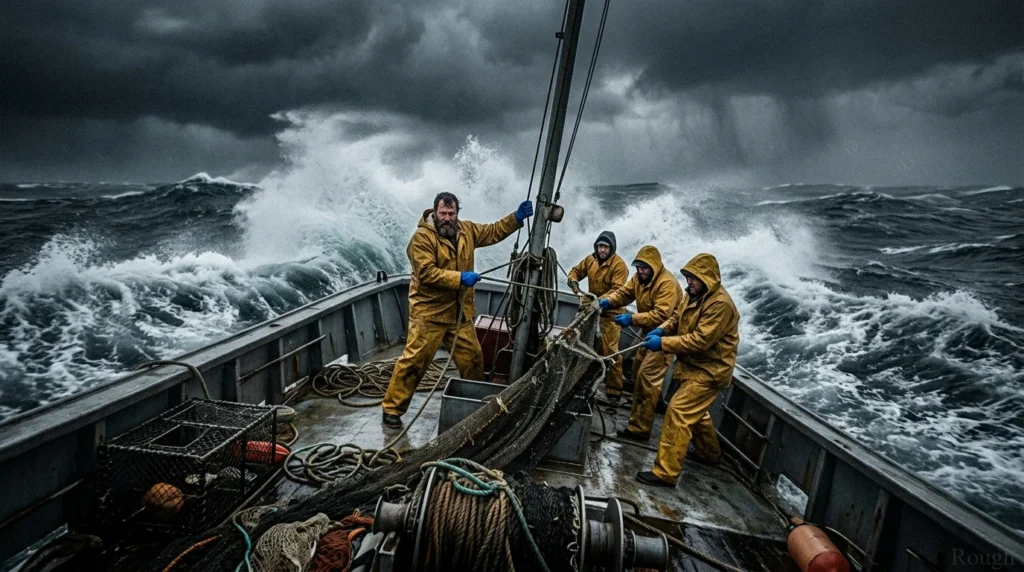
A metaphor for rough is a creative way to describe something difficult, harsh, uneven, or challenging without using literal language. Instead of simply saying something is rough, a metaphor compares it to another object, place, or force that naturally represents struggle or hardship. These comparisons make writing more vivid and easier to imagine.
Many people search for a metaphor for rough when writing essays, poems, stories, speeches, or social media captions. For example, instead of saying “It has been a rough week,” you could write “This week has been a rocky road.” The metaphor helps readers picture the challenge instead of just reading about it.
From real-life experience, everyone faces rough moments, whether it’s a difficult journey, a stressful job, a challenging relationship, or bad weather. Metaphors allow us to describe these experiences in a more emotional and memorable way. This guide explains what rough metaphors are, why people use them, and provides practical examples you can use in everyday conversations and creative writing.
What Is a Metaphor for Rough?
A metaphor for rough is a figure of speech that compares a difficult, harsh, or uneven situation to another object or force without using “like” or “as.”
Examples:
- Life became a rocky road.
- The project turned into a stormy sea.
- His attitude was sandpaper.
These metaphors describe difficulty through powerful imagery.
Why Do We Use Rough Metaphors?
Rough metaphors help us:
- Describe difficult situations clearly
- Express emotions more vividly
- Create stronger imagery
- Make writing more memorable
- Connect with readers emotionally
They are commonly used in:
- Essays
- Stories
- Poems
- Speeches
- Motivational writing
- Social media captions
- Everyday conversations
Instead of saying:
“The meeting was difficult.”
You can say:
“The meeting was a stormy sea.”
50 Creative Metaphors for Rough
| Metaphor | Meaning | Sample Sentence | Other Ways to Say |
|---|---|---|---|
| Rocky Road | Difficult journey | This year has been a rocky road. | hard path, rough journey |
| Stormy Sea | Chaotic situation | The project became a stormy sea. | rough waters, turbulent time |
| Sandpaper | Harsh personality | His words were sandpaper. | abrasive nature, harsh attitude |
| Jagged Cliff | Dangerous challenge | The decision was a jagged cliff. | risky step, difficult choice |
| Thorny Path | Painful journey | Recovery became a thorny path. | hard road, difficult process |
| Broken Bridge | Obstacle | Success met a broken bridge. | blocked path, closed opportunity |
| Wild River | Uncontrolled situation | Life turned into a wild river. | rushing troubles, rough current |
| Iron Wall | Strong barrier | Fear became an iron wall. | solid obstacle, tough barrier |
| Dark Forest | Confusion | My future looked like a dark forest. | uncertain path, unknown journey |
| Heavy Chain | Restriction | Debt became a heavy chain. | burden, limitation |
| Sharp Rocks | Constant problems | Every mistake felt like sharp rocks. | painful obstacles, rough patches |
| Torn Sail | Lost direction | My confidence became a torn sail. | damaged spirit, weakened hope |
| Burning Desert | Long hardship | Job hunting became a burning desert. | dry season, difficult stretch |
| Cold Wind | Emotional pain | Rejection was a cold wind. | harsh feeling, bitter moment |
| Crashing Waves | Repeated challenges | Bills arrived as crashing waves. | constant pressure, endless struggles |
| Rusted Gate | Slow progress | Opportunity hid behind a rusted gate. | delayed success, blocked future |
| Steep Hill | Hard work | Graduation felt like a steep hill. | uphill battle, hard climb |
| Cracked Wall | Weak foundation | Trust became a cracked wall. | fragile relationship, broken support |
| Muddy Trail | Slow progress | The project followed a muddy trail. | messy journey, difficult path |
| Sleeping Volcano | Hidden danger | His anger was a sleeping volcano. | buried emotions, hidden threat |
| Heavy Fog | Uncertainty | The future disappeared into heavy fog. | confusion, unclear direction |
| Broken Wheel | No progress | The plan became a broken wheel. | stalled effort, slow movement |
| Raging Fire | Intense conflict | The argument was a raging fire. | heated dispute, emotional clash |
| Rough Ocean | Difficult circumstances | Business entered a rough ocean. | stormy waters, unstable period |
| Stone Mountain | Major challenge | Exams became a stone mountain. | huge obstacle, towering problem |
| Falling Rocks | Unexpected setbacks | Problems came as falling rocks. | sudden trouble, repeated obstacles |
| Rusty Chain | Old burdens | Regret became a rusty chain. | emotional weight, lingering guilt |
| Frozen River | No movement | Progress became a frozen river. | standstill, halted growth |
| Crooked Road | Difficult direction | Life followed a crooked road. | winding path, uncertain journey |
| Dry Riverbed | Lack of opportunity | Hope became a dry riverbed. | empty future, lost possibility |
| Broken Compass | Feeling lost | Graduation left me with a broken compass. | no direction, uncertainty |
| Brick Wall | Impossible obstacle | The deadline became a brick wall. | dead end, major barrier |
| Thunderstorm | Emotional chaos | My thoughts became a thunderstorm. | mental conflict, emotional storm |
| Gravel Road | Bumpy progress | Building a business is a gravel road. | uneven path, challenging process |
| Wild Jungle | Confusing situation | The new job felt like a wild jungle. | unfamiliar place, difficult environment |
| Ice Road | Risky journey | Investing felt like an ice road. | dangerous decision, slippery path |
| Heavy Backpack | Emotional burden | Stress became a heavy backpack. | weight to carry, responsibility |
| Broken Ladder | Delayed success | Promotion became a broken ladder. | slow progress, blocked advancement |
| Twisted Rope | Complicated problem | The contract was a twisted rope. | confusing issue, tangled situation |
| Black Cloud | Ongoing difficulty | Worry became a black cloud. | constant concern, lingering stress |
| Rough Diamond | Hidden potential | He is a rough diamond. | hidden talent, unfinished success |
| Dry Soil | Lack of growth | Motivation became dry soil. | low energy, empty spirit |
| Broken Fence | Weak protection | Trust became a broken fence. | fragile boundary, weak defense |
| Heavy Rain | Continuous problems | Challenges fell as heavy rain. | nonstop difficulties, endless issues |
| Jagged Edge | Harsh truth | Reality had a jagged edge. | painful fact, tough lesson |
| Empty Well | Emotional exhaustion | My patience became an empty well. | drained energy, emotional fatigue |
| Torn Map | Unclear future | My plans became a torn map. | uncertain direction, lost vision |
| Crumbling Tower | Failing stability | Confidence became a crumbling tower. | collapsing strength, weak foundation |
| Rough Current | Difficult progress | The business faced a rough current. | strong resistance, hard movement |
| Steel Trap | Hard situation | Debt became a steel trap. | difficult position, financial burden |
Real-Life Conversations
Q1. Friends Talking
Ben: How has your first month at the new job been?
Chris: Honestly, it’s been a rocky road, but I’m learning a lot.
Ben: Hang in there. It’ll get easier.
Q2. Student Conversation
Teacher: How did your science project go?
Student: It turned into a stormy sea after our computer crashed.
Teacher: That’s a great metaphor for a difficult situation.
Q3. Family Conversation
Mom: How are you feeling after the move?
Emma: Everything feels like a dark forest right now, but I’m slowly finding my way.
Mom: Give yourself time. Things will settle down.
Everyday Usage
You can use rough metaphors in:
- Essays
- Stories
- Speeches
- Poems
- Social media captions
- Personal journals
- Motivational writing
- Everyday conversations
Examples:
- This semester has been a rocky road.
- My emotions became a thunderstorm.
- The business entered rough waters.
- His comments felt like sandpaper.
- Recovery is a steep hill worth climbing.
Common Mistakes
| Mistake | Correct Usage |
|---|---|
| Mixing several unrelated metaphors | Stick with one clear image. |
| Using overly dramatic metaphors for small problems | Match the metaphor to the situation. |
| Repeating the same metaphor too often | Use a variety of fresh expressions. |
| Explaining every metaphor | Let readers understand naturally. |
| Confusing metaphors with similes | Metaphors do not use “like” or “as.” |
Multiple Choice Questions (MCQs)
Q1. What does “Rocky Road” usually symbolize?
A. An easy trip
B. A difficult journey
C. A vacation
D. A celebration
Answer: B
Q2. Which metaphor represents chaos or instability?
A. Stormy Sea
B. Calm Lake
C. Sunny Garden
D. Bright Star
Answer: A
Q3. What does “Sandpaper” symbolize?
A. A harsh personality
B. A friendly attitude
C. A celebration
D. A peaceful place
Answer: A
Q4. Which metaphor represents confusion?
A. Dark Forest
B. Golden Bridge
C. Open Door
D. Crystal River
Answer: A
Q5. What does “Heavy Chain” represent?
A. Restriction or burden
B. Freedom
C. Happiness
D. Success
Answer: A
Q6. Which metaphor symbolizes hidden potential?
A. Rough Diamond
B. Broken Clock
C. Dry Desert
D. Empty Well
Answer: A
Q7. Why do writers use rough metaphors?
A. To describe challenges with vivid imagery
B. To make writing confusing
C. To shorten paragraphs
D. To replace grammar
Answer: A
Q8. What does “Brick Wall” represent?
A. A major obstacle
B. A celebration
C. A vacation
D. A reward
Answer: A
Q9. Which metaphor represents emotional exhaustion?
A. Empty Well
B. Bright Sunrise
C. Blooming Garden
D. Fresh Breeze
Answer: A
Q10. A metaphor compares one thing by saying it is…
A. Another thing
B. Similar using “like”
C. A question
D. A definition
Answer: A
Frequently Asked Questions
Q1. What is a metaphor for rough?
A metaphor for rough is a figurative expression that compares a difficult, harsh, or uneven situation to something such as a rocky road, stormy sea, or thorny path to create a stronger image.
Q2. Why are rough metaphors useful in writing?
They make challenges, emotions, and hardships easier to visualize, helping readers connect more deeply with the message.
Q3. Can I use rough metaphors in essays and speeches?
Yes. They work well in essays, speeches, stories, poems, motivational writing, and everyday conversations.
Q4. What are the most common symbols for rough situations?
Roads, storms, mountains, rivers, forests, cliffs, chains, walls, deserts, and waves are common symbols because they naturally represent obstacles and hardship.
Q5. What is the difference between a metaphor and a simile?
A metaphor says one thing is another thing, while a simile compares two things using “like” or “as.”
Q6. Can rough metaphors describe people as well as situations?
Yes. For example, calling someone sandpaper suggests they have a harsh personality, while describing someone as a rough diamond highlights hidden talent and untapped potential.
Conclusion
A metaphor for rough helps transform difficult situations, emotions, and personalities into vivid images that readers instantly understand. Whether you describe challenges as a rocky road, a stormy sea, a thorny path, or a rough current, these metaphors make your writing more expressive and memorable.
Use these metaphors in essays, speeches, stories, journals, and everyday conversations to describe hardship, resilience, and growth with creativity. The right metaphor can turn an ordinary description into a powerful message that stays with your readers.