
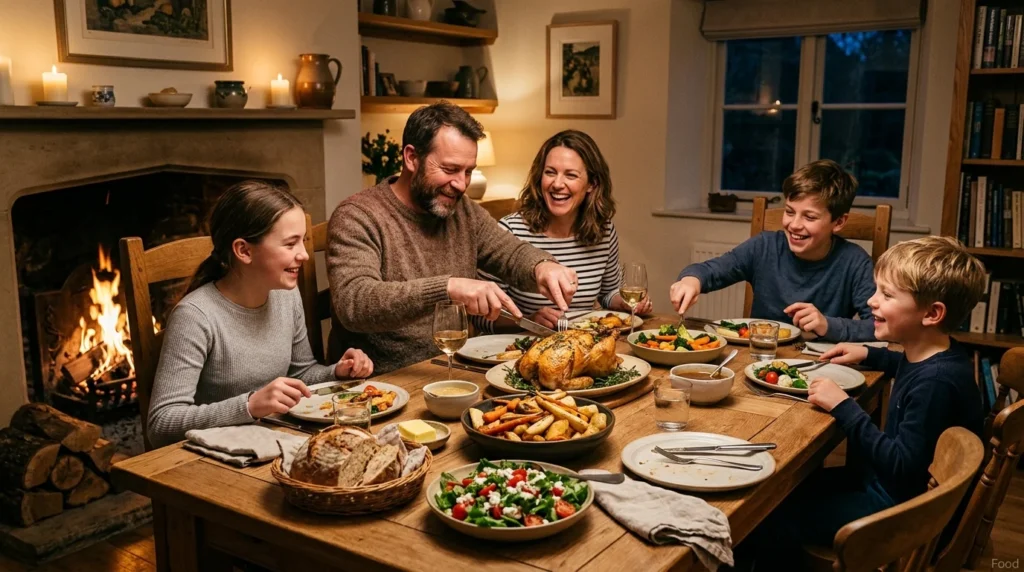
A metaphor for food is a creative way to compare people, emotions, experiences, or ideas to food without using the words “like” or “as.” Food is a universal part of life, so it naturally appears in everyday conversations, literature, speeches, and creative writing. Writers often use food metaphors to describe comfort, success, happiness, love, disappointment, or even difficult situations in a way that readers can easily understand.
Many people search for metaphor for food because they want interesting examples for essays, stories, poems, speeches, or social media captions. Food metaphors make language richer by turning ordinary descriptions into memorable images. Instead of saying someone is kind, you might say “She is the bread that feeds every heart.” This simple comparison makes the sentence more emotional and meaningful.
From real-life experience, food metaphors are common in everyday conversations. We often describe opportunities as being “served on a silver platter” or call someone “the icing on the cake.” This updated 2026 guide explains the meaning of food metaphors, why people use them, and provides practical examples you can use in your own writing.
What Is a Metaphor for Food?
A metaphor for food is a figure of speech that compares food to a person, feeling, idea, or experience without using “like” or “as.”
Examples:
- Knowledge is daily bread.
- Hope became sweet honey.
- Friendship is a warm bowl of soup.
These metaphors are not talking about actual food. They use food to express deeper meanings.
What Does Food Symbolize?
Food often symbolizes:
- Comfort
- Love
- Care
- Happiness
- Growth
- Abundance
- Celebration
- Family
- Energy
- Life
Different foods can symbolize different emotions. For example, honey often represents sweetness, while bitter herbs can represent difficult experiences.
Why Do We Use Metaphors for Food?
Food metaphors make writing more colorful and relatable.
They help describe:
- Relationships
- Success
- Emotions
- Family life
- Personal growth
- Challenges
- Kindness
- Joy
Instead of saying:
“Her support helped me.”
You can write:
“Her support became the bread that kept me going.”
The metaphor creates a stronger emotional image.
50 Creative Metaphors for Food
| Metaphor | Meaning | Example Sentence | Other Ways to Say |
|---|---|---|---|
| Daily Bread | Something essential | Education is my daily bread. | basic need, life support |
| Sweet Honey | Kindness | Her words are sweet honey. | gentle comfort, warm kindness |
| Bowl of Soup | Comfort | Home is a bowl of soup. | safe place, warm shelter |
| Slice of Heaven | Great happiness | Vacation was a slice of heaven. | perfect moment, pure joy |
| Icing on the Cake | Extra happiness | Winning the prize was the icing on the cake. | added bonus, final touch |
| Golden Apple | Valuable opportunity | The scholarship was a golden apple. | precious chance, great reward |
| Bitter Medicine | Difficult lesson | Failure became bitter medicine. | tough lesson, hard truth |
| Fresh Bread | New hope | Graduation is fresh bread for the future. | fresh start, new beginning |
| Fruit of Success | Rewards | Hard work produced the fruit of success. | achievement, positive results |
| Cup of Joy | Happiness | Family gatherings are a cup of joy. | cheerful moment, happy time |
| Rich Harvest | Great rewards | Years of effort became a rich harvest. | success, abundance |
| Warm Pie | Love | Grandma’s hugs are warm pie. | loving care, comfort |
| Spice of Life | Excitement | Travel is the spice of life. | adventure, variety |
| Bitter Coffee | Disappointment | The rejection was bitter coffee. | unpleasant surprise, sadness |
| Chocolate Treasure | Precious happiness | Friendship is chocolate treasure. | sweet gift, valued bond |
| Feast of Dreams | Big ambitions | College became a feast of dreams. | dream opportunity, hopeful future |
| Seed of Hope | New beginning | Kindness planted a seed of hope. | hopeful start, fresh chance |
| Garden Feast | Abundance | Autumn brought a garden feast. | rich season, plentiful harvest |
| Sweet Recipe | Success plan | Teamwork is the sweet recipe for victory. | winning formula, perfect mix |
| Honey Jar | Endless kindness | Her heart is a honey jar. | caring nature, warm spirit |
| Burning Pepper | Strong anger | His words became burning pepper. | sharp criticism, heated emotions |
| Salt of Wisdom | Valuable advice | Grandpa is the salt of wisdom. | wise guidance, experience |
| Fruit Basket | Many blessings | My family is a fruit basket of joy. | collection of blessings, abundance |
| Golden Feast | Celebration | Graduation became a golden feast. | joyful event, grand celebration |
| Warm Kitchen | Belonging | Home is a warm kitchen. | loving place, family comfort |
| Apple Tree | Growth | Education is an apple tree. | source of knowledge, lasting benefit |
| Sweet Cookie | Gentle personality | The child is a sweet cookie. | lovable person, kind soul |
| Bread Basket | Security | Savings became our bread basket. | financial safety, support |
| Lemon Lesson | Tough experience | Losing taught a lemon lesson. | hard lesson, valuable experience |
| Harvest Moon | Reward | Patience brought a harvest moon. | well-earned success, fulfillment |
| Candy Road | Easy happiness | Childhood felt like a candy road. | joyful journey, carefree path |
| Golden Spoon | Opportunity | Talent gave him a golden spoon. | special advantage, valuable gift |
| Full Table | Abundance | Gratitude creates a full table. | plenty, prosperity |
| Empty Plate | Need | Loneliness became an empty plate. | emptiness, lack |
| Melting Butter | Kind heart | Her kindness is melting butter. | gentle nature, soft heart |
| Roasted Chestnut | Warm memories | Holidays are roasted chestnuts. | nostalgic moments, cozy memories |
| Sugar Bowl | Cheerfulness | Her smile is a sugar bowl. | joyful spirit, happiness |
| Family Recipe | Tradition | Respect is our family recipe. | shared values, heritage |
| Picnic Basket | Shared happiness | Friendship is a picnic basket. | togetherness, joyful moments |
| Harvest Field | Success | Years of study became a harvest field. | achievement, reward |
| Morning Coffee | Fresh motivation | Exercise is my morning coffee. | daily energy, motivation |
| Fresh Fruit | New ideas | Creativity is fresh fruit. | original thinking, inspiration |
| Warm Biscuit | Encouragement | His advice was a warm biscuit. | comforting words, support |
| Flour Sack | Hidden potential | Every child is a flour sack waiting to become bread. | untapped ability, promise |
| Sweet Orchard | Peace | Retirement became a sweet orchard. | calm life, peaceful future |
| Golden Grain | Wisdom | Experience is golden grain. | valuable lesson, lifelong knowledge |
| Berry Patch | Small joys | Weekends are my berry patch. | little pleasures, happy moments |
| Rich Stew | Diversity | Our community is a rich stew. | colorful mix, variety |
| Honeycomb | Teamwork | The company is a honeycomb of ideas. | collaboration, unity |
| Celebration Cake | Achievement | The promotion was a celebration cake. | milestone, happy success |
Real-Life Conversations
Q1. Friends Talking
Sarah: How was your weekend?
Emily: It was a slice of heaven. I spent time with my family and relaxed.
Sarah: That sounds wonderful!
Q2. Student Conversation
Teacher: What does education mean to you?
Student: It’s my daily bread because it helps me grow every day.
Teacher: Excellent metaphor!
Q3. Workplace Conversation
David: The project was challenging.
Lisa: Yes, but finishing it was the icing on the cake after all our hard work.
Everyday Usage
Food metaphors are perfect for:
- Essays
- Stories
- Poems
- Speeches
- Social media captions
- Motivational writing
- Daily conversations
- Greeting cards
Examples:
- Books are food for the mind.
- Her smile is sweet honey.
- Success is the fruit of patience.
- Family is my warm kitchen.
Common Mistakes
| Mistake | Correction |
|---|---|
| Mixing unrelated food metaphors | Use one clear food image. |
| Using too many metaphors in one paragraph | Choose the strongest metaphor. |
| Picking a food that doesn’t match the meaning | Match the symbolism to the context. |
| Explaining the metaphor too much | Let readers understand naturally. |
| Confusing metaphors with similes | Remember that metaphors do not use “like” or “as.” |
Multiple Choice Questions (MCQs)
Q1. What does “Daily Bread” usually symbolize?
A. Luxury
B. Something essential
C. Vacation
D. Entertainment
Answer: B
Q2. Which metaphor represents kindness?
A. Sweet Honey
B. Burning Pepper
C. Empty Plate
D. Bitter Coffee
Answer: A
Q3. What does “Icing on the Cake” mean?
A. An extra benefit
B. A problem
C. A mistake
D. A delay
Answer: A
Q4. Which metaphor symbolizes comfort?
A. Bowl of Soup
B. Burning Pepper
C. Empty Plate
D. Bitter Coffee
Answer: A
Q5. What does “Fruit of Success” represent?
A. Failure
B. Rewards earned through effort
C. Hunger
D. Luck
Answer: B
Q6. Which metaphor means excitement and variety?
A. Spice of Life
B. Empty Plate
C. Lemon Lesson
D. Flour Sack
Answer: A
Q7. Why do writers use food metaphors?
A. To make writing more vivid and relatable
B. To remove emotion
C. To shorten every sentence
D. To avoid description
Answer: A
Q8. What does “Warm Kitchen” symbolize?
A. Family and belonging
B. Competition
C. Travel
D. Fear
Answer: A
Q9. Which metaphor represents a difficult lesson?
A. Bitter Medicine
B. Sweet Cookie
C. Golden Feast
D. Honey Jar
Answer: A
Q10. A metaphor compares one thing by saying it is…
A. Another thing
B. Similar using “like”
C. A question
D. A definition
Answer: A
Frequently Asked Questions
Q1. What is a metaphor for food?
A metaphor for food is a creative comparison that uses food to represent emotions, relationships, ideas, or experiences without using “like” or “as.”
Q2. Why are food metaphors so popular?
Food is something everyone experiences, making these metaphors easy to understand and emotionally relatable.
Q3. Can food metaphors have different meanings?
Yes. Different foods symbolize different ideas. For example, honey often represents kindness, while bitter foods may represent hardship or disappointment.
Q4. Can I use food metaphors in essays and stories?
Absolutely. Food metaphors are excellent for essays, poems, novels, speeches, and creative writing because they make descriptions more vivid.
Q5. What is the difference between a metaphor and a simile?
A metaphor says one thing is another thing, while a simile compares two things using “like” or “as.”
Q6. Are food metaphors common in everyday conversations?
Yes. People often use expressions such as “the icing on the cake,” “food for thought,” or “daily bread” when talking about life, work, or relationships.
Conclusion
A metaphor for food transforms ordinary ideas into meaningful, memorable images that readers and listeners can easily understand. Whether you’re describing love, success, comfort, challenges, or personal growth, food metaphors add warmth, emotion, and creativity to your writing.
Updated for 2026, this guide introduced practical explanations, creative examples, everyday conversations, and useful exercises to help you understand and use food metaphors with confidence. Try adding these expressions to your essays, stories, speeches, or social media posts to make your writing more engaging, relatable, and enjoyable.